

Blog
Scuba Diving Destinations in Eilat, Israel
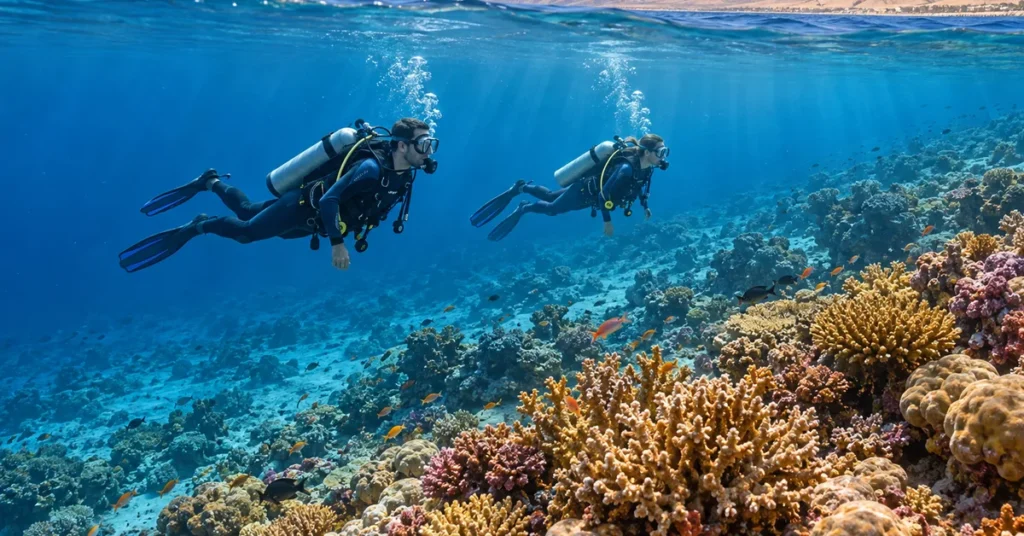
Eilat is a major base for scuba diving in the Gulf of Aqaba and the Israeli Red Sea, with most of its dive sites accessible from shore or by a short boat ride.1 The concentration of sites along a stretch of coast south of the city lets divers enter directly from land without depending on a boat schedule for most dives.2 Although access is convenient, diving conditions vary throughout the year, and some protected sites are subject to entry requirements and conservation rules.2
What to Know Before Diving
Eilat has a desert climate and can be dived throughout the year.1 The cited source places annual water temperatures between 20 and 30 degrees Celsius, so conditions are not identical in every season.1 Another source reports that summer water temperatures can reach 28 degrees Celsius, while dives conducted in May recorded temperatures of 23–24 degrees Celsius.2
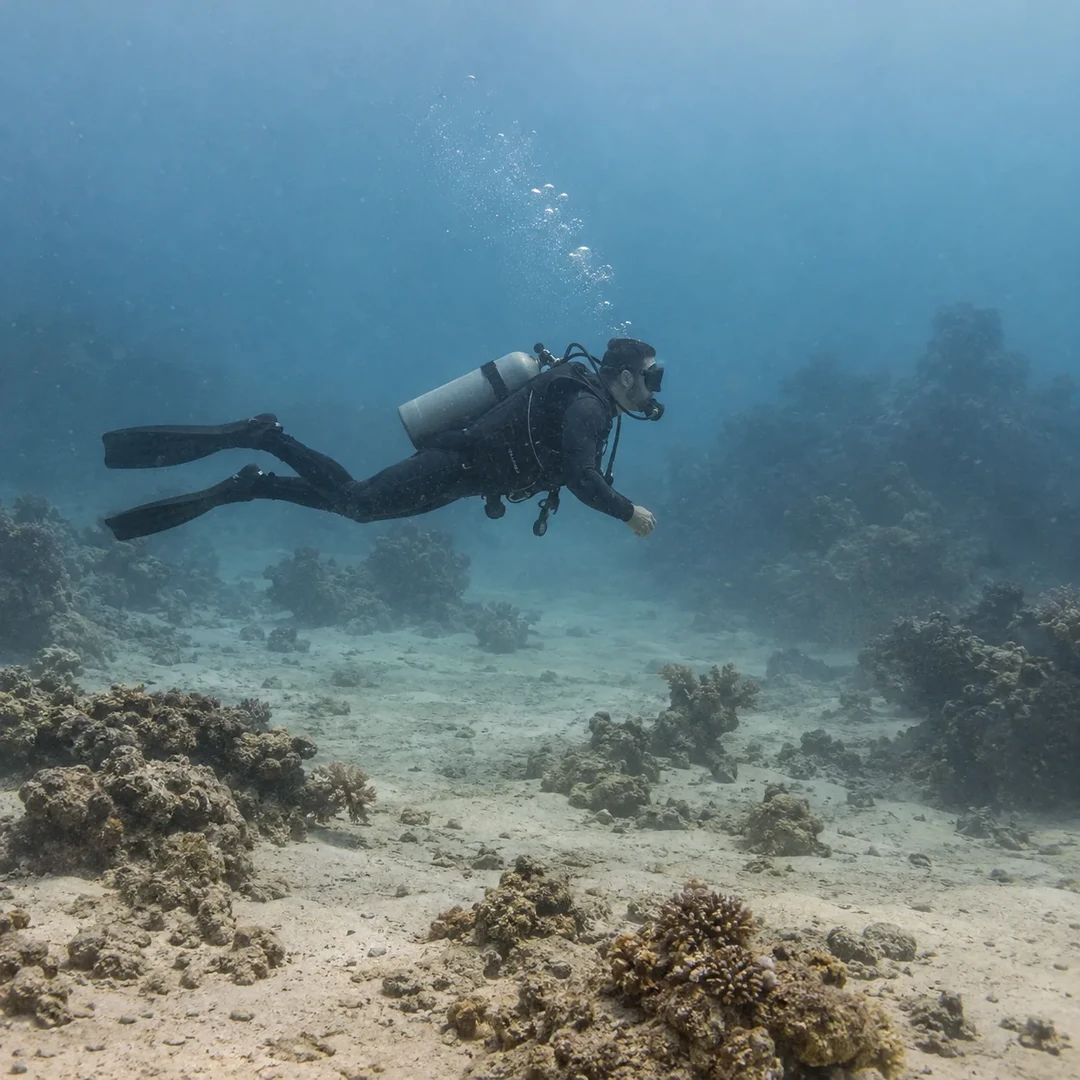
March through May and September through November are described as periods combining warm water, good visibility, and less intense heat at the surface.2 Visibility can deteriorate after winter storms in January and February, although diving in Eilat continues during those months.2 Summer air temperatures can be extremely high; the source describes a July and August visit when they exceeded 38 degrees Celsius.2
Because the season affects water temperature, visibility, and heat on shore, the timing of a dive changes the character of the day even when the site remains accessible.2 These conditions make Eilat a year-round destination, but not one where conditions remain constant.2
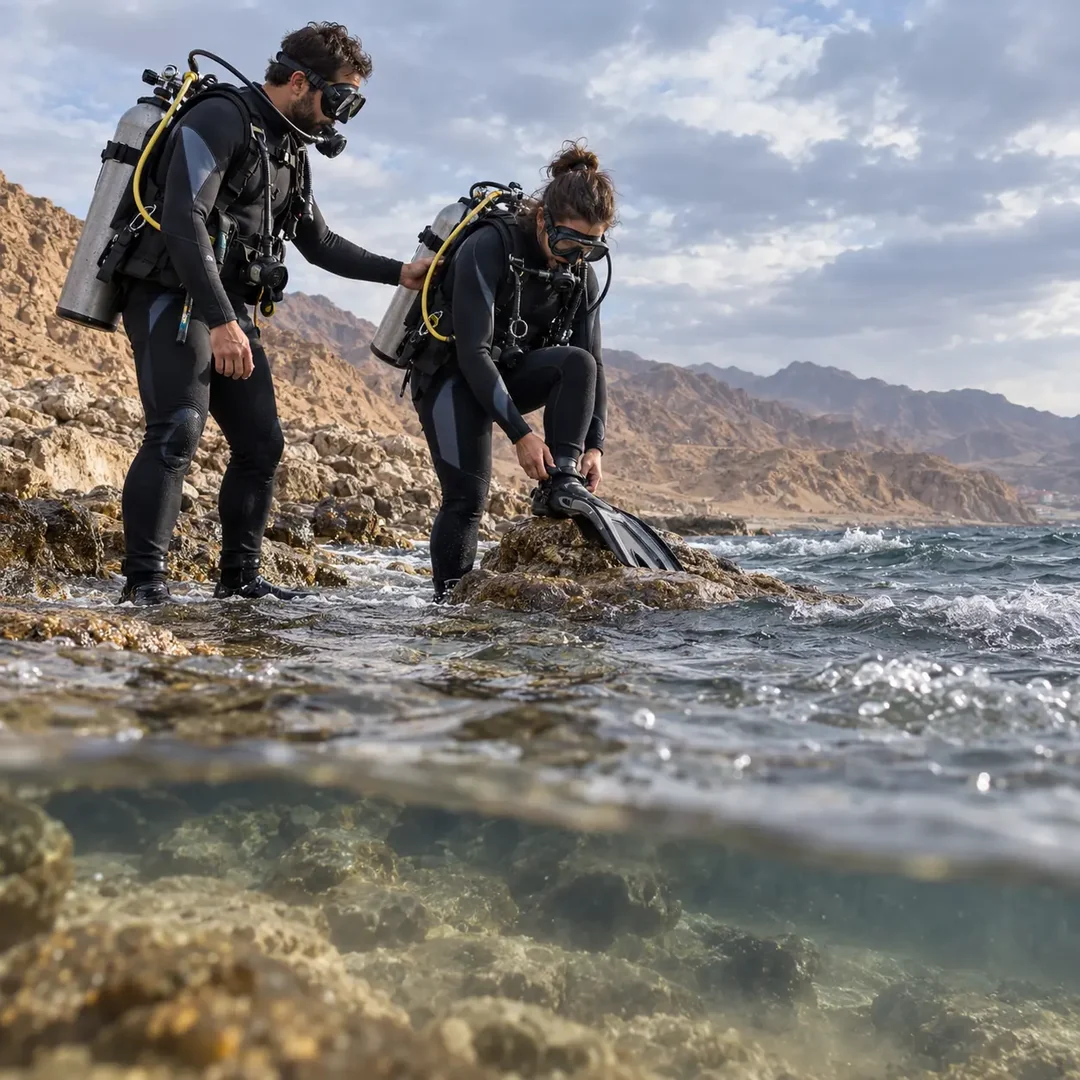
Most Dives Begin from Shore 2
Nearly all the diving described in Eilat is shore-based, and most sites are concentrated along a short stretch of coastline south of the city.2 At shore sites, divers enter from land, complete the dive, and return to the beach without waiting for a vessel’s departure or return time.2 Another source notes that some sites are also accessible by boat or a short ride, so the approach depends on the selected site.1
The coastline includes reefs that slope from near shore into deeper water, as well as wreck sites.1 The regional diving account identifies Satil and Yatush as two principal wreck sites that can be combined in one morning because they are close to each other.2 Choosing between a reef and a wreck is therefore a choice of site type as well as access method.2
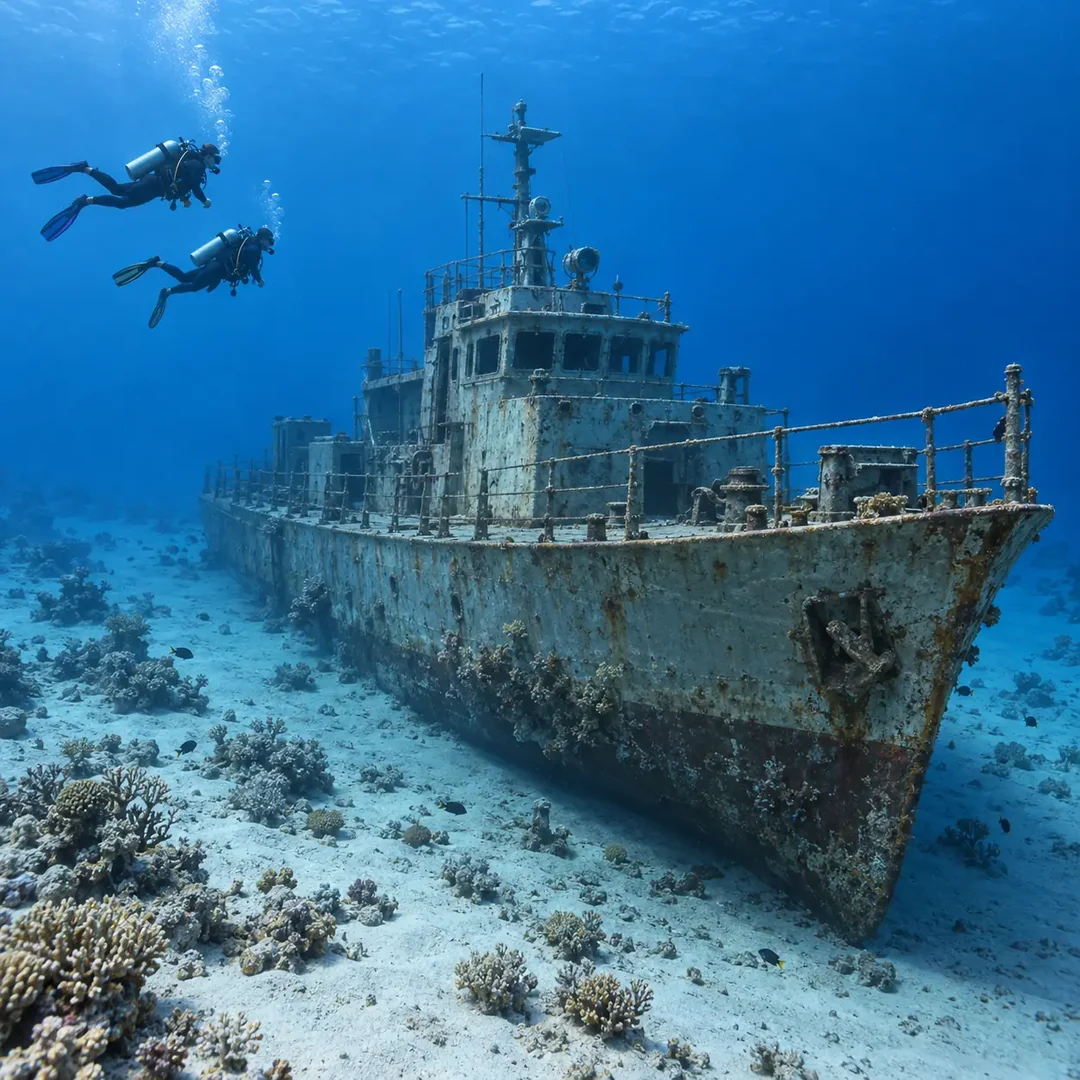
Direct shore access does not remove the need to understand each site’s conditions and rules.2 According to the source, solo diving is prohibited, insurance is required, and an appropriate wreck certification is necessary for wreck penetration.2 These requirements matter because a simple-looking shore entry does not make the dive site itself free of restrictions.2
Coral Beach Nature Reserve: A Protected Site with Entry Rules 1
Coral Beach is a major shore-diving area in Eilat, and the sites regarded as the area’s best are described as lying within and around the reserve.1 Entry to the protected section requires a fee, and the source explains that limiting visitor numbers helps protect the reef.1 The reserve’s reef is described as healthy, colorful, and rich in life.1
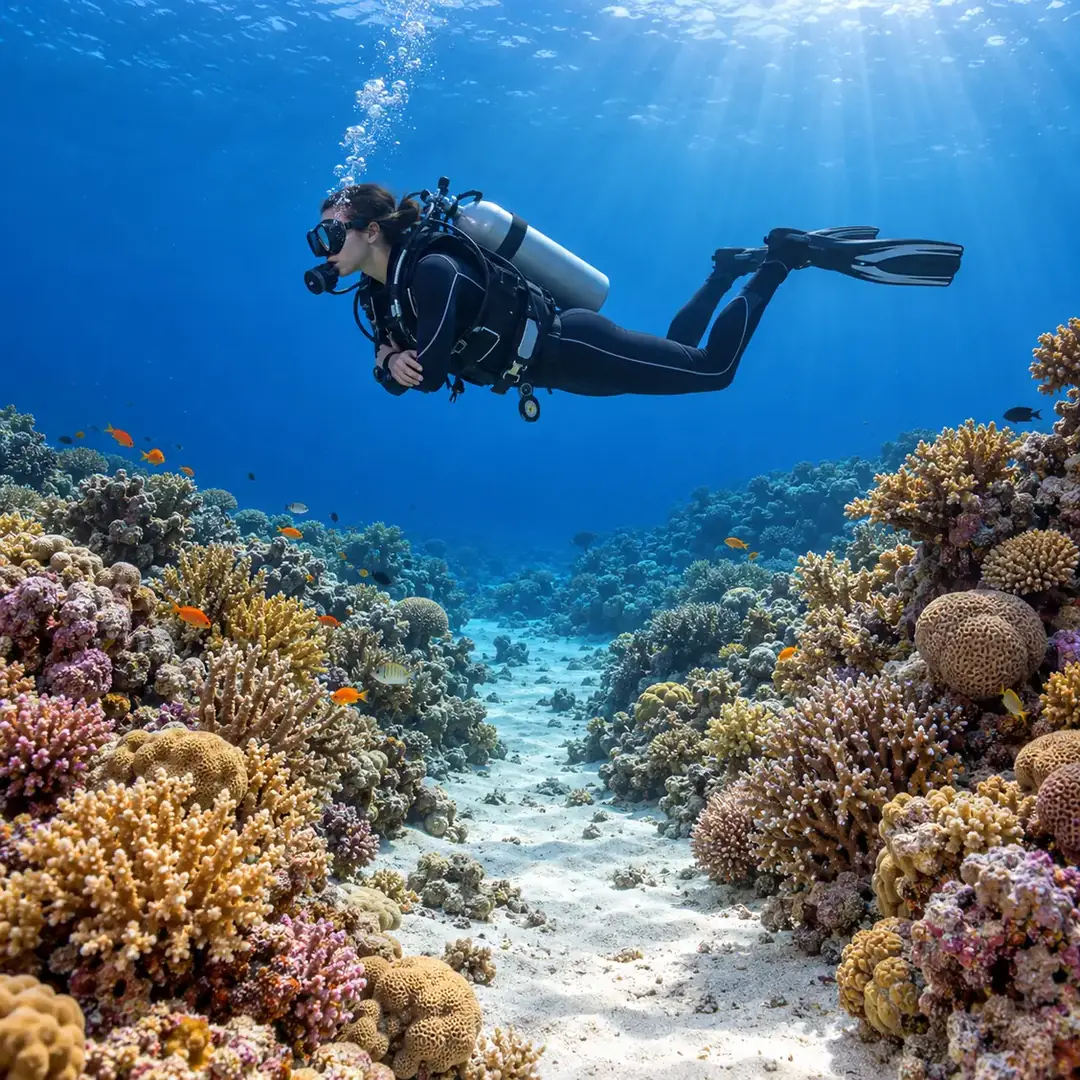
Access is closely regulated, and divers who have not yet mastered buoyancy are not allowed into the protected area.1 Neutral buoyancy is therefore connected both to the site’s entry conditions and to protecting its environment.1 The source also identifies Japanese Gardens and Moses Rock as notable sites within the reserve.1
The Coral Beach area also includes free-access sections with hard-coral reefs and wreck sites.1 Farther south are additional sites that belong to the reserve area but do not require the fee described for its protected section.1 This distinction matters because not every site along Coral Beach operates under the same access conditions.1
Safety and Responsibility in the Water
The source describes Eilat as an area with strict regulations, including a prohibition on solo diving and an insurance requirement.2 Penetrating a wreck site also requires an appropriate wreck certification, according to the same source.2 These are not incidental details but conditions to consider when selecting both a site and a type of dive.2
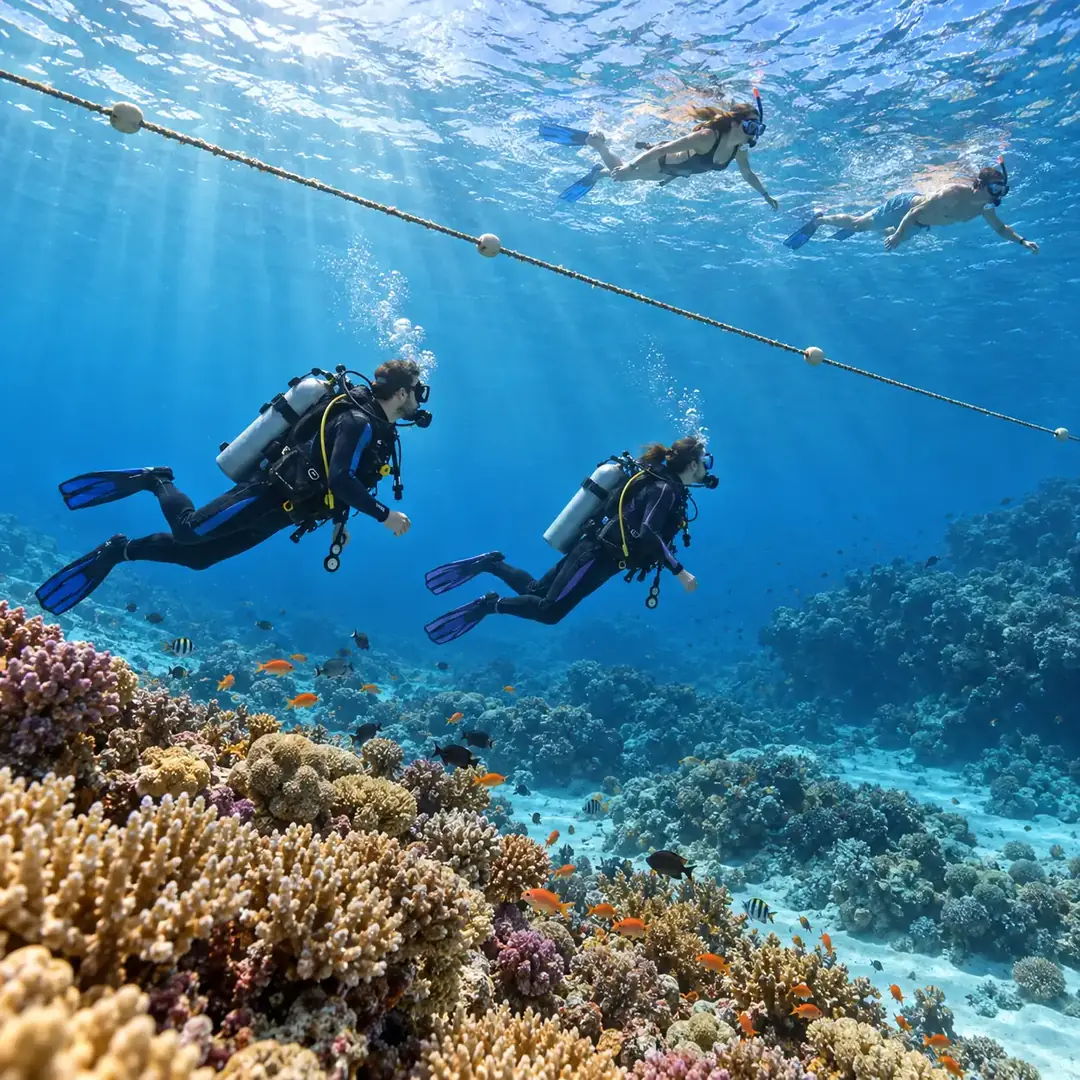
Coral Beach Nature Reserve separates different activity zones, and a snorkeling area near Joshua Rock is marked by a rope that divers must not cross.2 The reserve is fenced off from boat traffic, so the source states that a dive flag or surface marker buoy is not needed on the surface within that specific site.2 This condition applies to the reserve as described and is not presented as a rule for every dive site in Eilat.2
Eilat combines convenient shore access, year-round diving, and a protected reef, but each advantage comes with clear conditions.2 Planning around the season, access method, and site rules helps divers choose among reefs, protected areas, and wrecks according to the available information for each location.2
Sources
- Scuba diving in Israel @ Surface Interval
- What Diving Eilat, Israel ACTUALLY Looks Like (2026 Guide)
Explore our canvas prints


Canvas Prints
Canvas Prints
Underwater Photography

Underwater Photography