

Blog, Underwater
3 Common Mistakes Beginner Divers Make

Welcome to the Underwater World
Your first dives can change the way you see the ocean. The weightless feeling, the open blue water, and the marine life around you create memories that stay with you. Like any new skill, diving takes practice. Recognizing a few common mistakes can help make those early dives safer, calmer, and more enjoyable.
Contents
Mistake #1: Skipping the Buddy Check
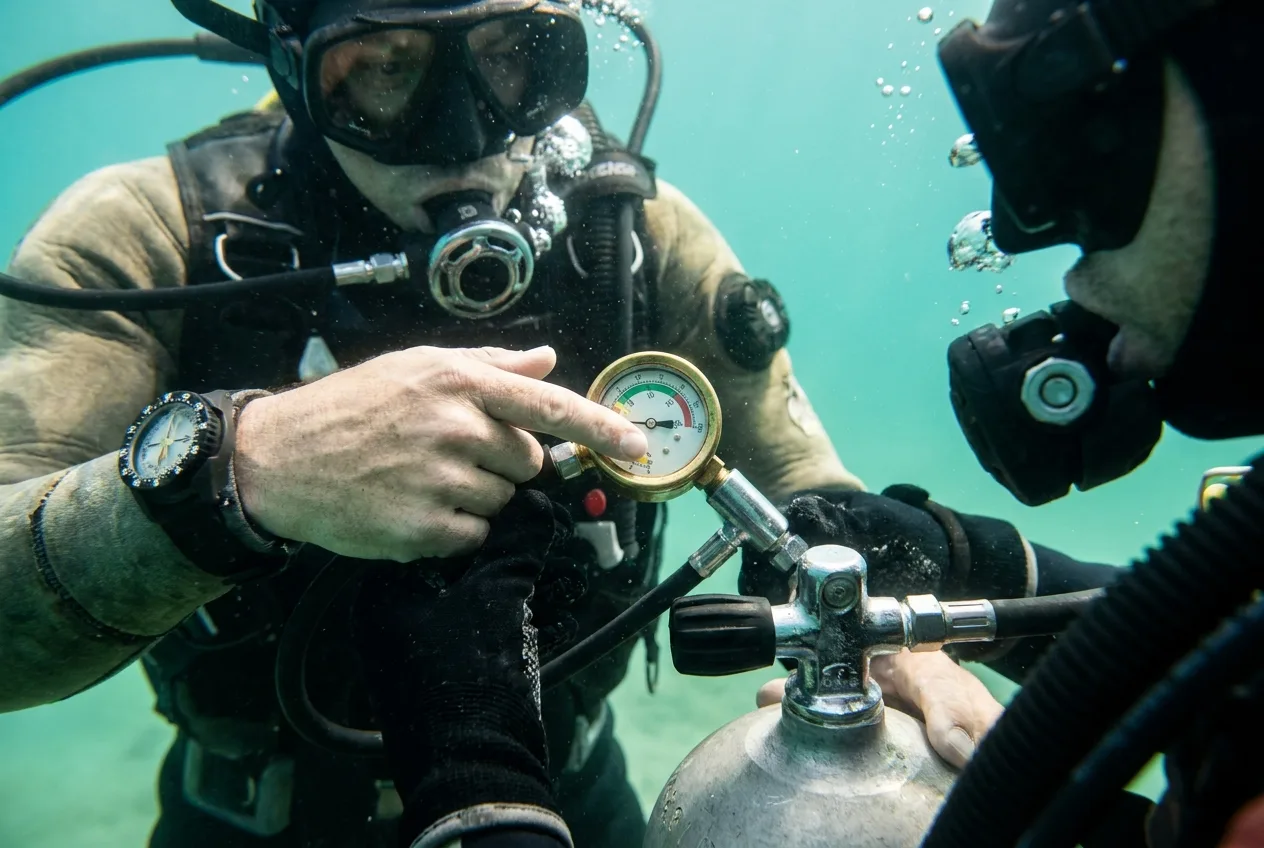
Skipping the pre-dive buddy check is a common mistake with serious consequences. Excitement and the urge to get into the water can tempt new and experienced divers alike to rush past it. The check, also known as BWRAF (Begin With Review And Friend), is a quick process in which you and your buddy inspect each other’s equipment. Check that the regulator works, the buoyancy compensator inflates and functions correctly, weights are secure, buckles are fastened, and the tank valve is fully open. A few moments at the surface can prevent avoidable equipment problems underwater. For more detail, read the guide from PADI.
Mistake #2: Struggling with Buoyancy
Buoyancy control is one of the most useful skills you can develop as a diver. Beginners often struggle to hold a steady depth, using extra arm and leg movements that consume air and can damage fragile coral. The key is to use your breathing to fine-tune buoyancy: inhaling makes you rise slightly, while exhaling lets you sink. Make only small adjustments with your buoyancy compensator. Better control means using less air, tiring less quickly, and having more attention to spare for the reef. With steady buoyancy, you can observe animals such as the twoband anemonefish in its host anemone without disturbing it or the surrounding habitat.

Mistake #3: Ignoring the Dive Plan
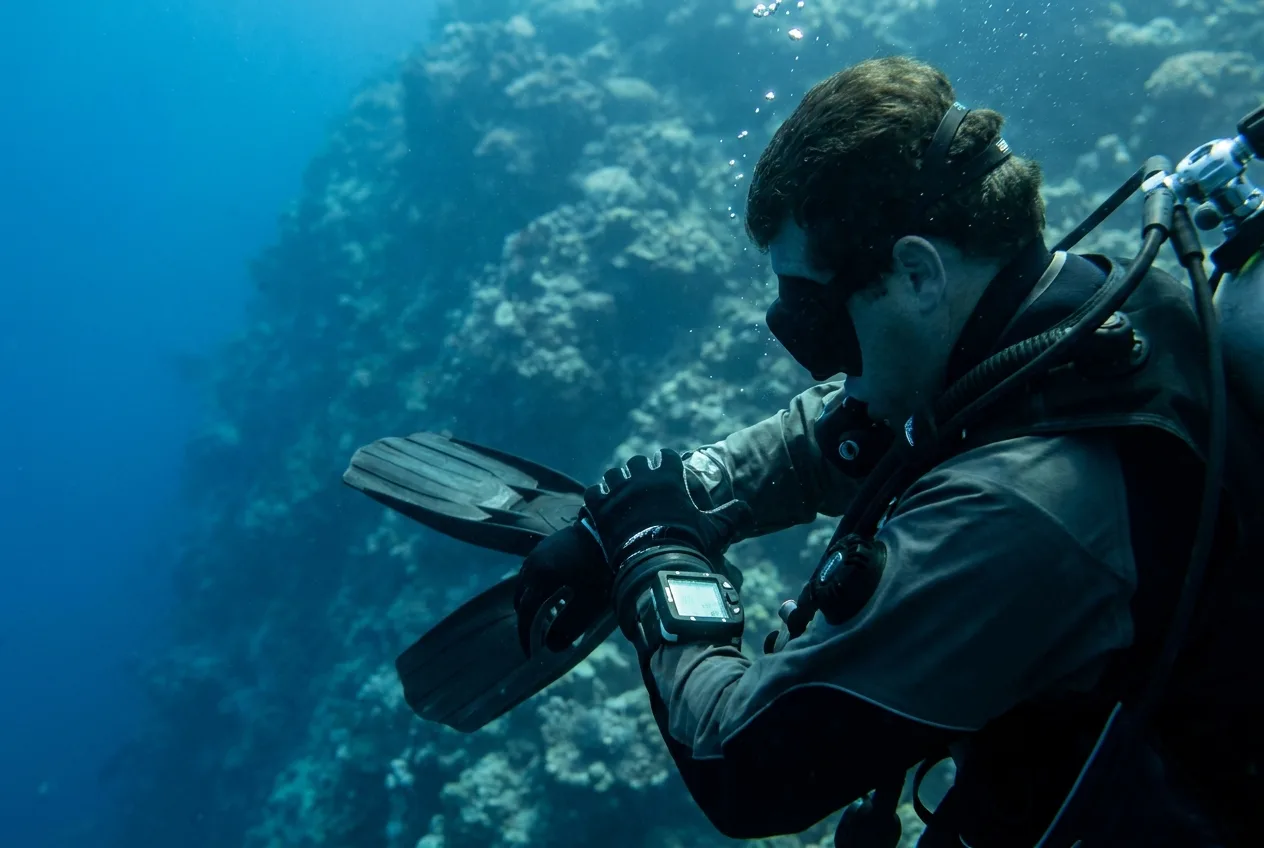
‘Plan your dive, dive your plan’ is a cornerstone of scuba diving. New divers sometimes rely too heavily on an instructor or more experienced group members without understanding the plan themselves. Agree on maximum depth, bottom time, the air needed for the return, and how you will communicate with your buddy. Ignoring the plan can lead to uncertainty, stress, and danger. Keep track of your depth and remaining air, and know the agreed hand signals. Checking your dive computer and understanding its readings are essential parts of a safe dive.
Keep Learning with Every Dive
Every experienced diver started as a beginner. These three mistakes are common during the learning process. Recognize them, practice the skills, and ask questions whenever you need help. With experience, good habits become second nature. For more tips and diving stories, visit our blog. Have a question? Contact us and we will be happy to help.

Explore our canvas prints


Underwater Photography


Underwater Photography


Underwater Photography


Underwater Photography