

Blog
How Scuba Diving Safety Changed Before and After 2000
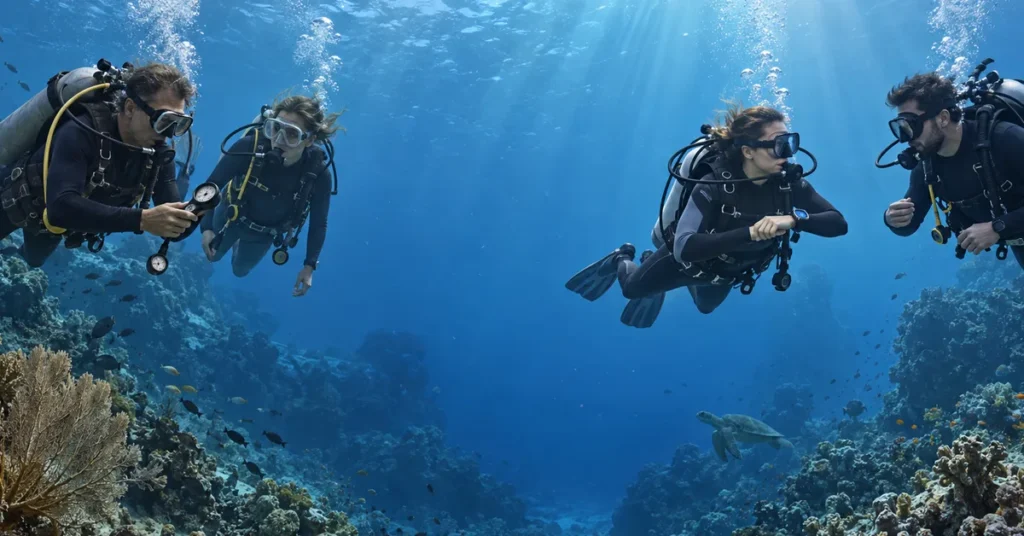
What divers should know before getting in the water
An Australian study published in 2025 examined scuba diving fatalities over 50 years, comparing two periods: 1972-1999 and 2000-2021.1
The study used the Australasian Diving Safety Foundation database and the National Coronial Information System, so it describes documented fatalities rather than every dive conducted in Australia.1
The numbers in this article do not mean that scuba diving became more or less dangerous for any single diver, but they do show how the profile of casualties and incidents changed within the fatalities studied.1
For scuba divers, the value of the study is in understanding that risk in the water does not stay fixed: it changes with participant age, certification, equipment, breathing gas management, and health factors such as cardiac events.1
Casualty age changed between the periods 1
In 1972-1999, the median age of scuba diving fatality casualties was 33 years, according to the data collected in the study.1
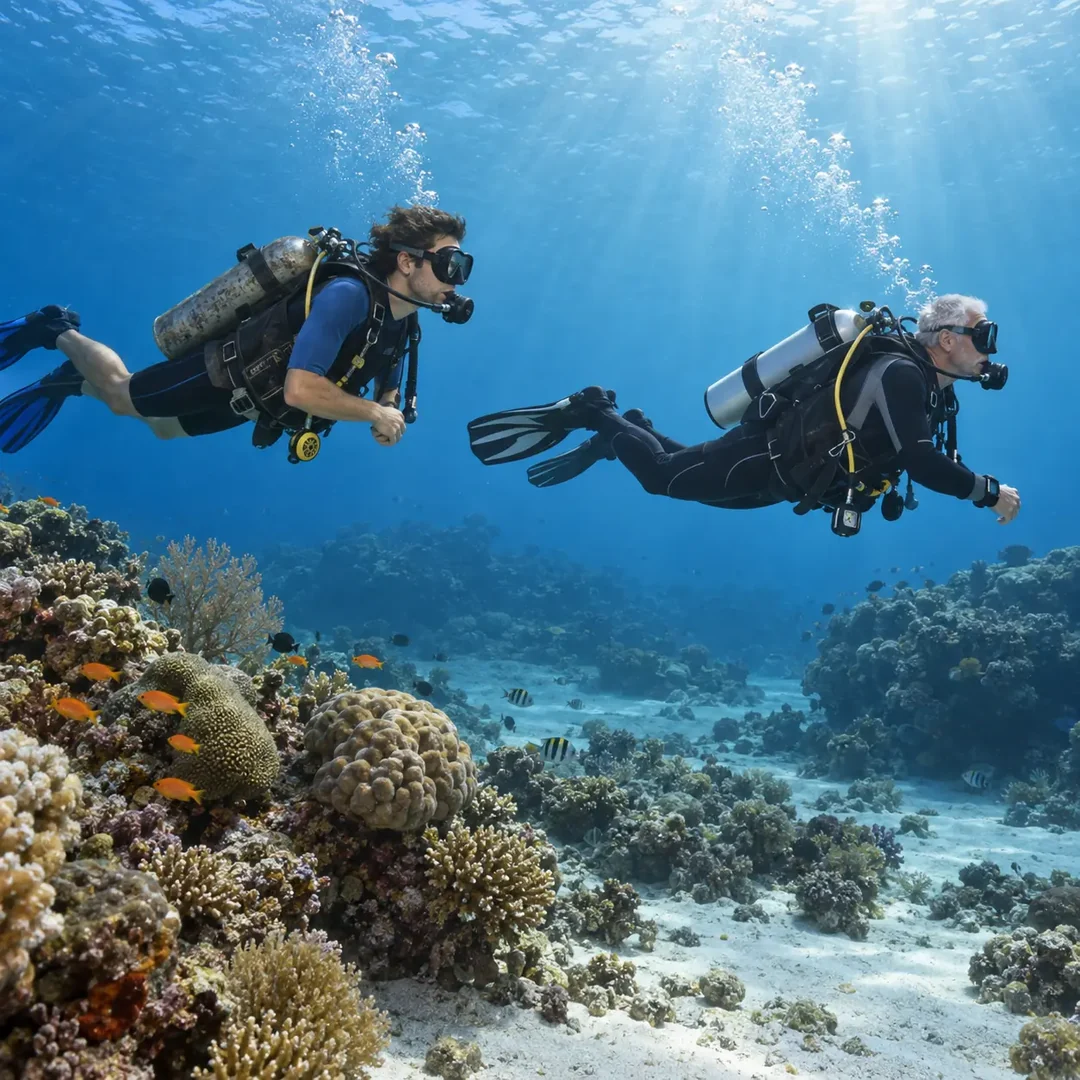
In 2000-2021, the median age rose to 47 years, a change showing that the later group included significantly older casualties within the fatalities examined.1
The study also describes a steady rise in casualty age across five decades, at about 5 years per decade.1
For a scuba diver, the practical meaning is not to fear age, but to recognize that as diving age rises, fitness and health considerations become a more central part of dive planning.1
Divers aged 45 and older became a larger share of fatalities 1
The study found that the proportion of casualties aged 45 and older rose from 24% in 1972-1999 to 57% in 2000-2021.1
The researchers interpreted this rise as part of a broader diving participant base and the ageing of longtime divers who continued to dive over the years.1
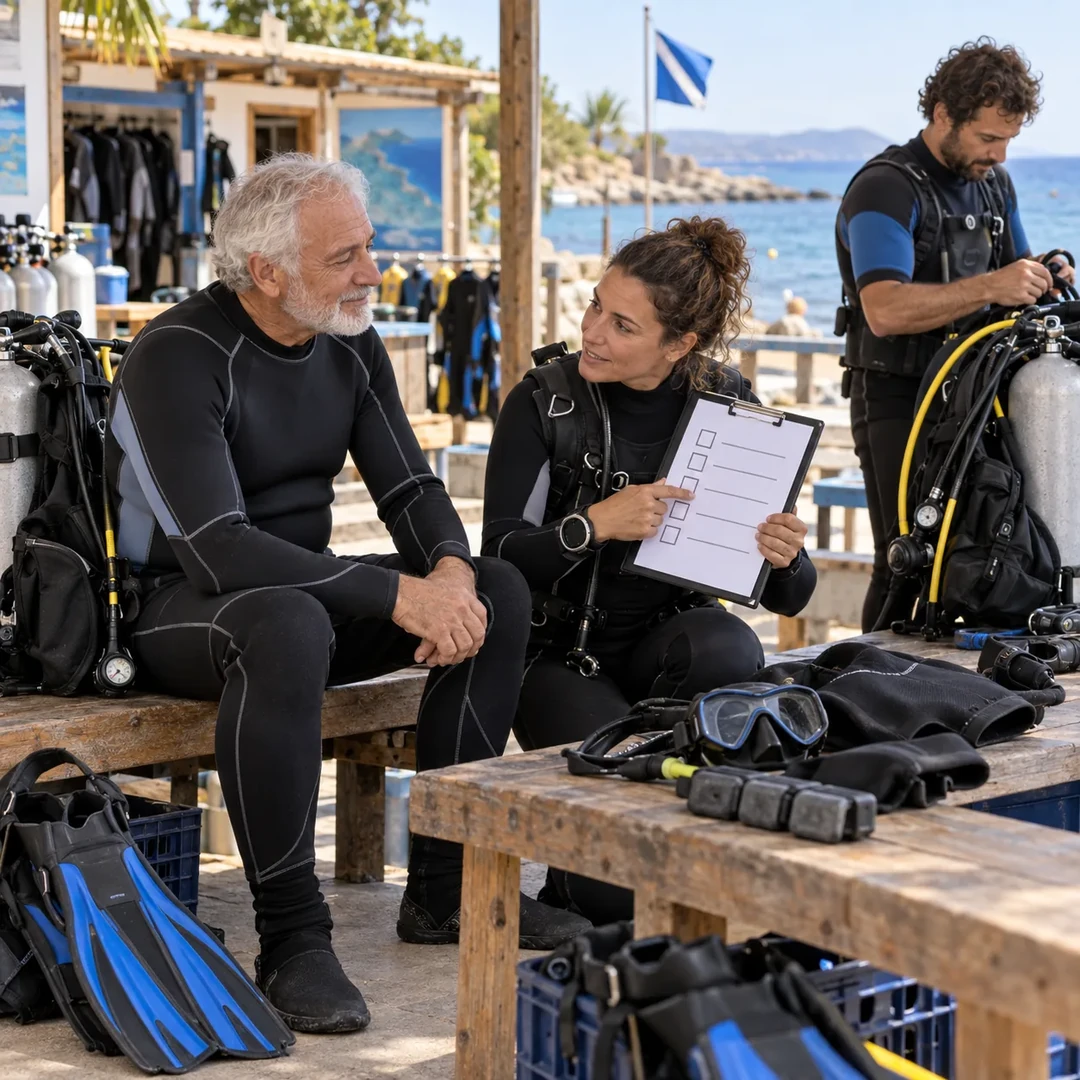
This matters because it reminds us that scuba diving safety is not only a question of gear or technique, but also of matching the dive to the person entering the water on that day.1
When the diving population is older, attention to exertion, medical status, and water conditions becomes a natural part of a scuba diver's personal responsibility.1
More casualties were certified divers 1
In 1972-1999, 64% of the casualties were certified divers, according to the study's training breakdown.1
In 2000-2021, the proportion of certified casualties rose to 81%, while the proportion of uncertified casualties fell compared with the earlier period.1
This does not mean certification is unimportant, but that fatalities in the later period occurred more often among people who had already completed formal training.1
The safety message for divers is therefore not to rely on a certification card alone, but to keep experience, personal condition, dive conditions, and dive complexity aligned.1
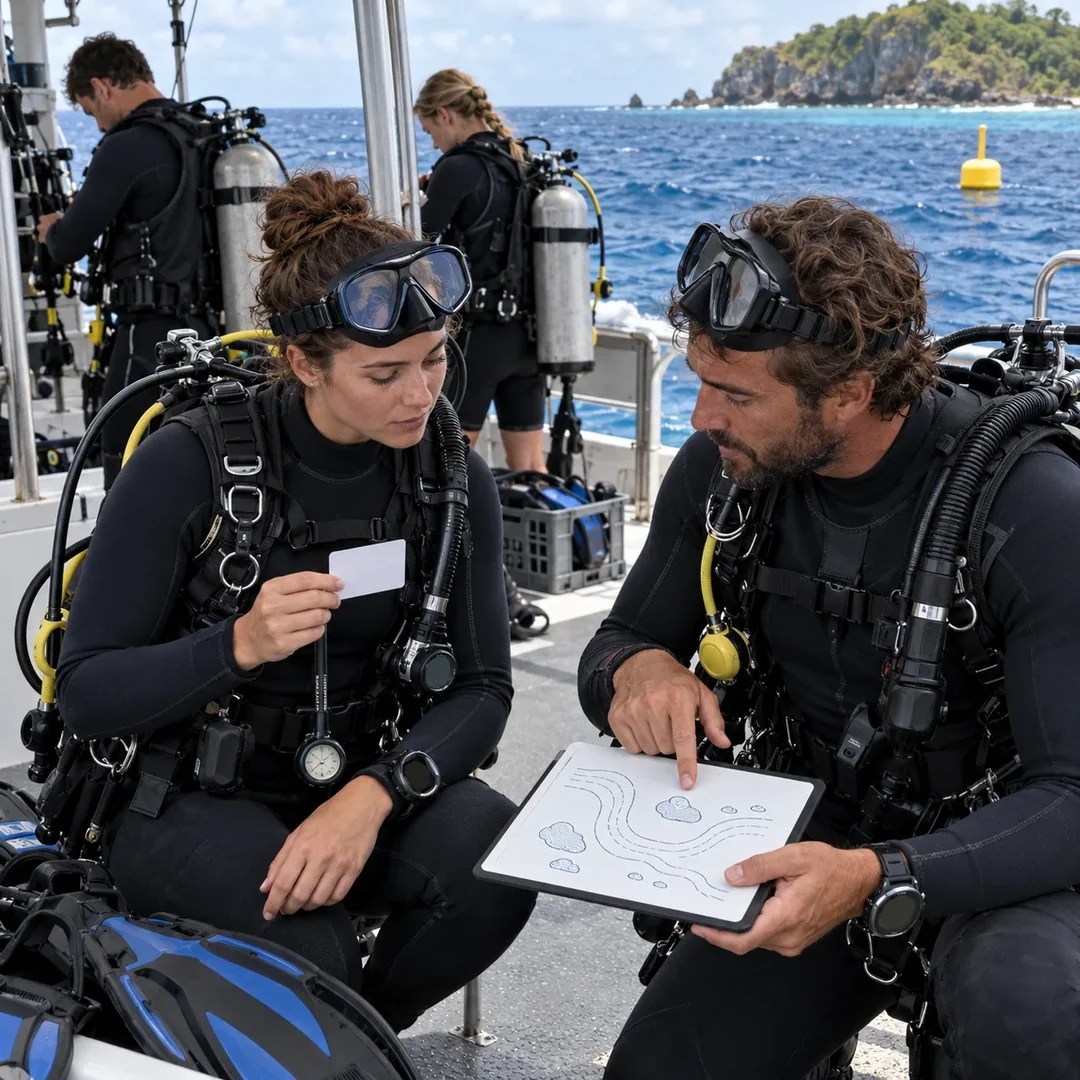
Breathing gas depletion fell, but did not disappear 1
The proportion of breathing gas depletion cases fell from 30% in 1972-1999 to 25% in 2000-2021.1
That reduction appears alongside the researchers' assessment that improvements in training and equipment, especially BCDs and pressure gauges, contributed to fewer primary drowning cases.1
Even so, 25% in the later period still shows that breathing gas management remained a significant safety issue within the fatalities examined.1
The message for scuba divers is that better equipment does not replace continuous awareness of gas status, dive planning, and communication with a buddy in the water.1
Primary drowning decreased between the periods 1
The proportion of primary drowning cases fell from 47% in 1972-1999 to 36% in 2000-2021.1
The researchers linked this reduction most likely to improved training and equipment, especially BCDs and pressure gauges.1
This is an encouraging change, but it still refers to fatalities rather than all diving incidents, so it needs to be read with caution.1
For a diver in the water, the finding reinforces the importance of buoyancy control, monitoring gas pressure, and staying calm and functional when a dive becomes complicated.1
Cardiac events became more prominent 1
The proportion of cardiac-related disabling conditions rose from 12% in 1972-1999 to 26% in 2000-2021.1
The study notes that the rise in cardiac-related deaths was due to an older and more obese cohort.1
This is one of the central shifts in the safety picture: relatively less emphasis on primary drowning, and more weight on a medical condition that can disable a diver during the dive.1
For scuba divers, the meaning is that fitness, health, and physical suitability for diving are not side details, but part of safety just like equipment checks and gas planning.1
Safety and responsibility in the water
The study presents a diving world that changed: casualties were older, more often certified, and in some cases less associated with breathing gas depletion or primary drowning.1
In the same picture, cardiac events became more prominent, so scuba diving safety after 2000 also looks like health management, not only equipment control.1
Good responsibility in the water starts with understanding the limits of the data: the study concerns Australia and fatalities, so it should not be turned into a personal guarantee or a universal formula for every dive site.1
As a mirror for scuba divers, though, it reminds us that the sea asks for humility, planning, self-checking, and the ability to choose a dive that fits the body, experience, and conditions of that day.1
Frequently asked questions
Does the study show that the profile of fatalities changed after 2000? 1
The study compares characteristics of fatalities between 1972-1999 and 2000-2021, and does not conclude from that comparison that diving after 2000 is more dangerous for every diver.1
It shows a change in casualty profile and disabling factors, including a rise in median age and in the proportion of cardiac-related events.1
Why does diver age matter for safety? 1
Age matters in the study because the median age of casualties rose from 33 to 47 years, and the share of casualties aged 45 and older rose from 24% to 57%.1
The researchers connected this change to a broader diving population and the ageing of longtime divers, alongside a rise in cardiac-related fatalities.1
What is the most practical point for a recreational diver? 1
The practical point is that safety changed from several directions at once: less primary drowning compared with the past, less breathing gas depletion compared with the past, and more cardiac-related disabling events.1
A recreational diver should therefore think of the dive as a connection between training, equipment, gas management, a buddy, and personal health status.1
Sources
Explore our canvas prints


Underwater Photography


Underwater Photography

Underwater Photography


Underwater Photography