

Blog, Underwater
3 Common Beginner Diving Mistakes and How to Avoid Them
Learning to Dive, One Skill at a Time
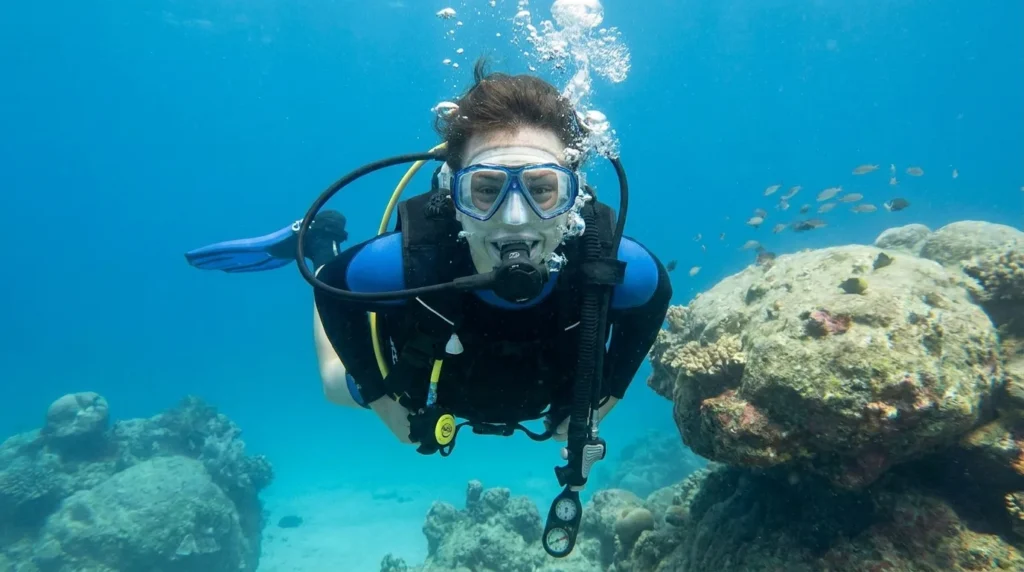
Every experienced diver was once a wide-eyed beginner, perhaps carrying a little too much weight on their belt. Learning to dive is exciting, and it brings new challenges. Mistakes are part of learning, but some beginner diving mistakes are worth avoiding from the start. Better habits make dives safer, more enjoyable and gentler on marine life. Here are three of the most common mistakes.
Contents
1. Skipping the Buddy Check
Excitement, time pressure or a casual “it’ll be fine” can tempt divers to skip an essential step before entering the water: the buddy check. Diving organizations such as PADI teach BWRAF (Begin With Review And Friend) for good reason. Systematically checking your BCD, weights, releases, air and secondary equipment is your last chance to catch easily preventable problems on the surface.
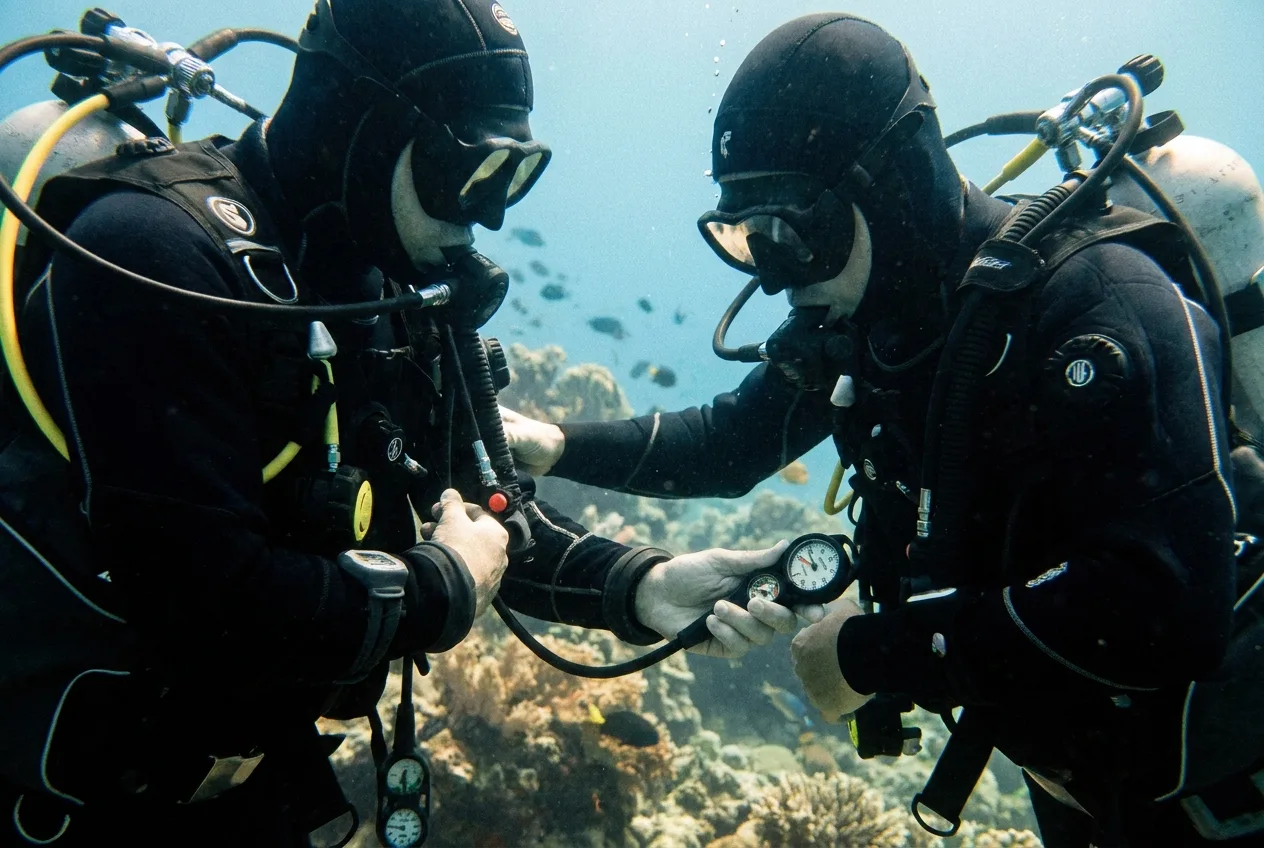
A cylinder valve that is not fully open, a loose buckle or an inflator that does not work can become a serious problem underwater. Take five minutes on the boat or shore to work through each step with your buddy. You will enter the water with greater peace of mind, knowing you have checked the equipment you both rely on.
2. Poor Buoyancy Control
Uncontrolled rises and drops, often called yo-yo diving, are a familiar sign of someone still learning buoyancy control. This essential skill takes patience and practice. Poor buoyancy uses more air, puts fragile coral and marine animals at risk, and makes the dive less enjoyable for everyone nearby.
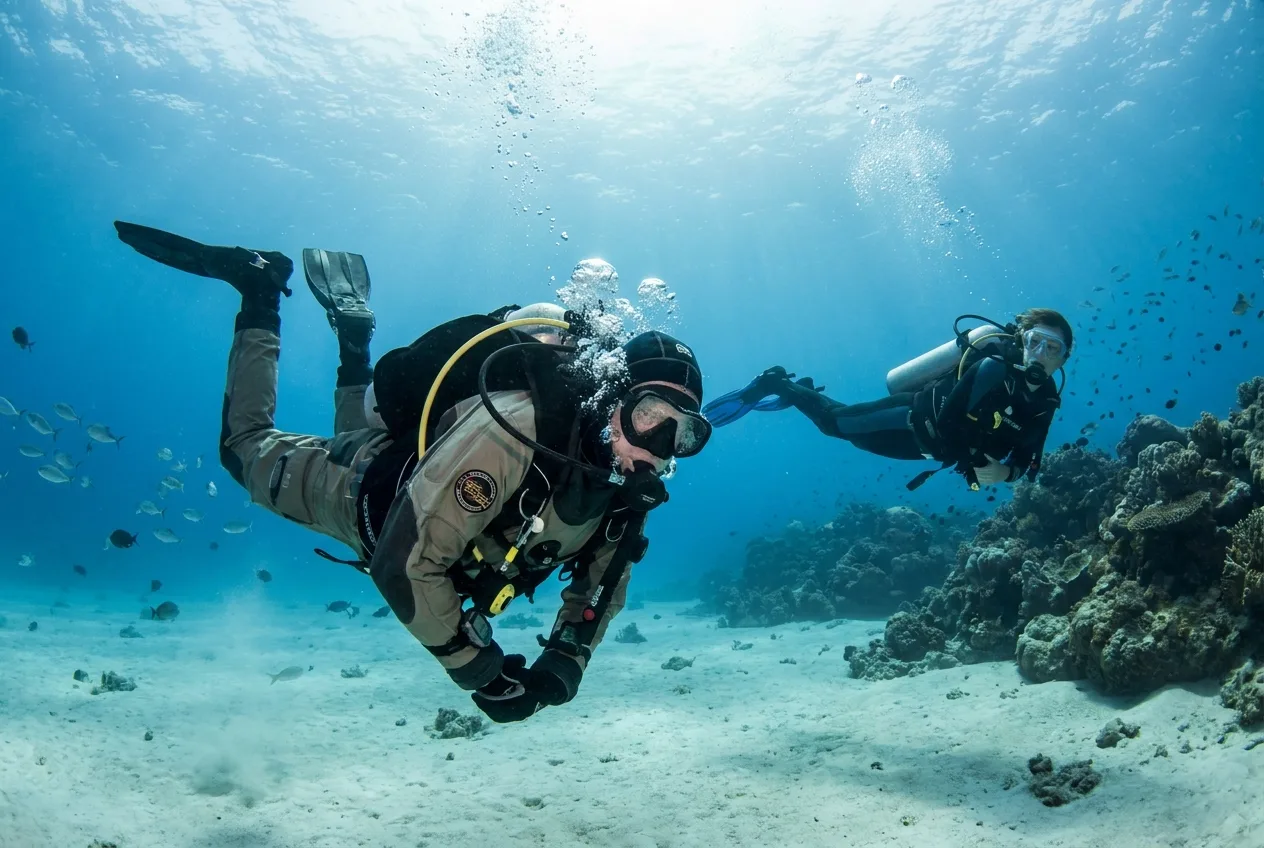
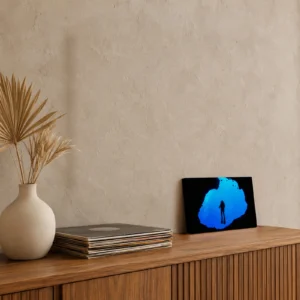
Focus on three things: slow, steady breathing, the right amount of weight and small inflator adjustments. Use your lungs for fine buoyancy control instead of constantly inflating and deflating your BCD. Practice in safe open water until it becomes second nature. The aim is to hover effortlessly, like the diver’s silhouette suspended in Palau’s Blue Hole, captured in a moment of calm and control.
3. Ignoring Your Surroundings and Your Body
The underwater world can hold your attention so completely that you miss what your body or surroundings are telling you. Beginners often focus on equipment and breathing, overlooking cold, fatigue or a strengthening current. Pause to check your remaining air, assess your energy and make sure both you and your buddy feel comfortable.
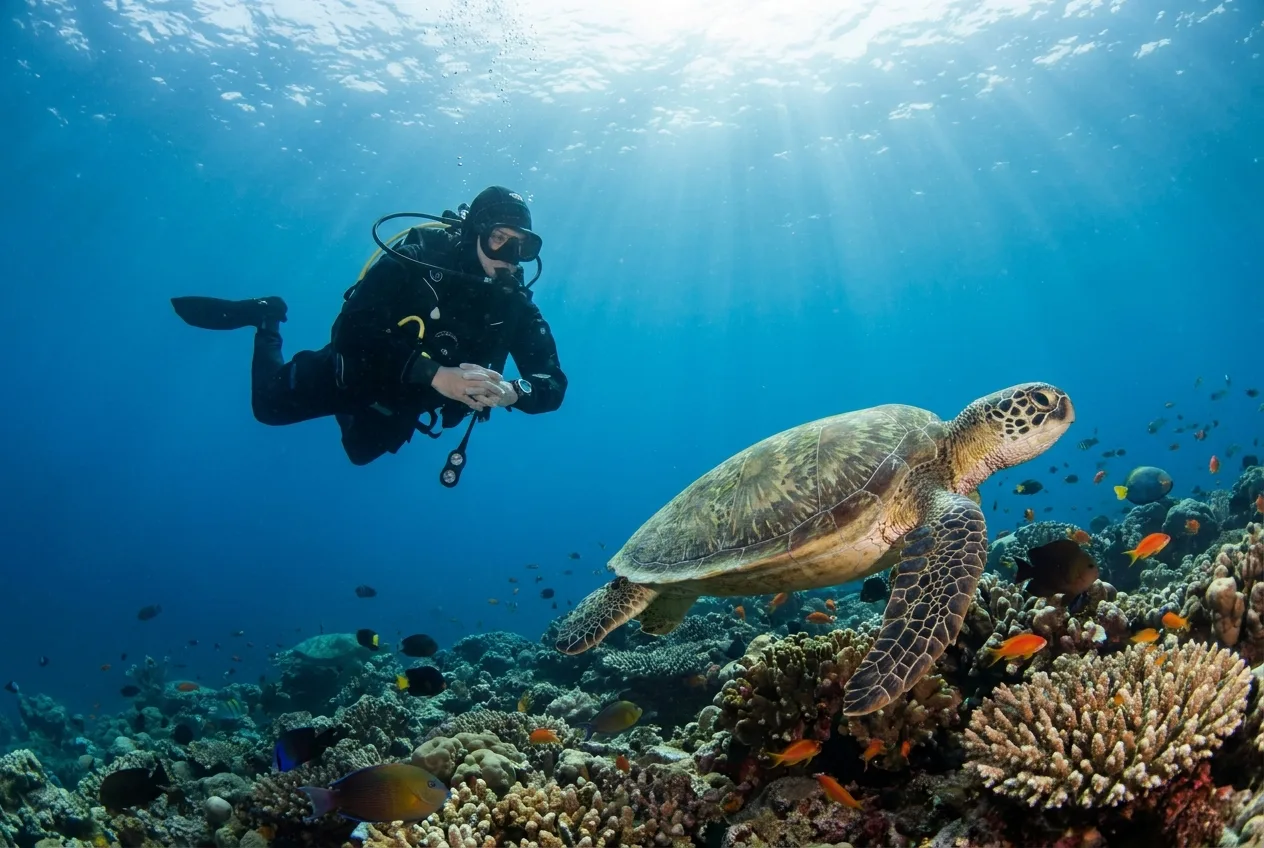
Awareness also means respecting marine life. Follow the familiar rule: “Leave only bubbles, take only pictures.” Never touch coral, chase fish or collect souvenirs from the seabed. Even a small injury can put a coral colony at risk, and touching some animals is dangerous for divers too. For more guidance, read PADI’s guide to responsible marine life interactions.
Keep Learning on Every Dive
Becoming a capable diver is a process of continual learning. Recognizing these three mistakes helps you build safer habits from the start. Plan your dive, follow your plan and respect the underwater world you have come to explore. Find more diving tips and articles on our blog, or get in touch with your questions.

Explore our canvas prints

Underwater Photography


Underwater Photography


Underwater Photography


Underwater Photography