

Blog
Scuba Gear Care: How to Store Your Equipment Between Seasons
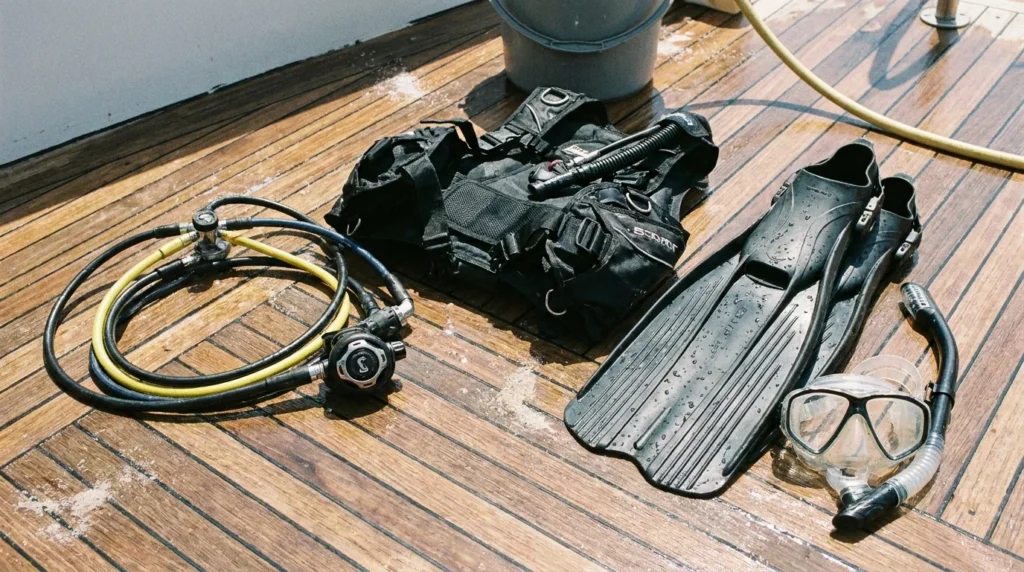
Why Scuba Gear Care Matters
The dive season may be over, but the memories stay with you. Give the equipment that made them possible the same care. Scuba gear maintenance and proper storage between seasons help protect both your safety and your equipment’s lifespan. A little care now helps ensure your scuba gear is ready for next season, with fewer faults and less premature wear.
Contents
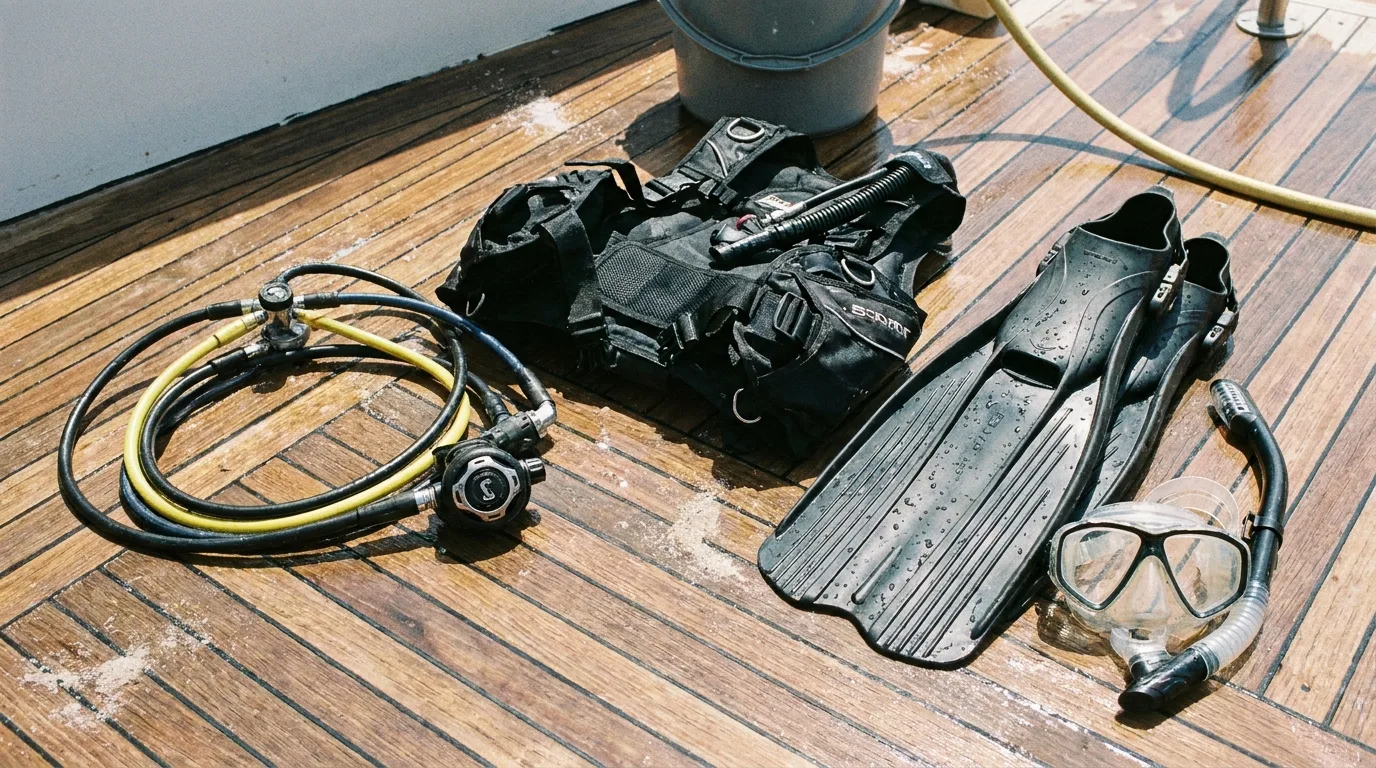
Rinsing and Drying: The Essentials
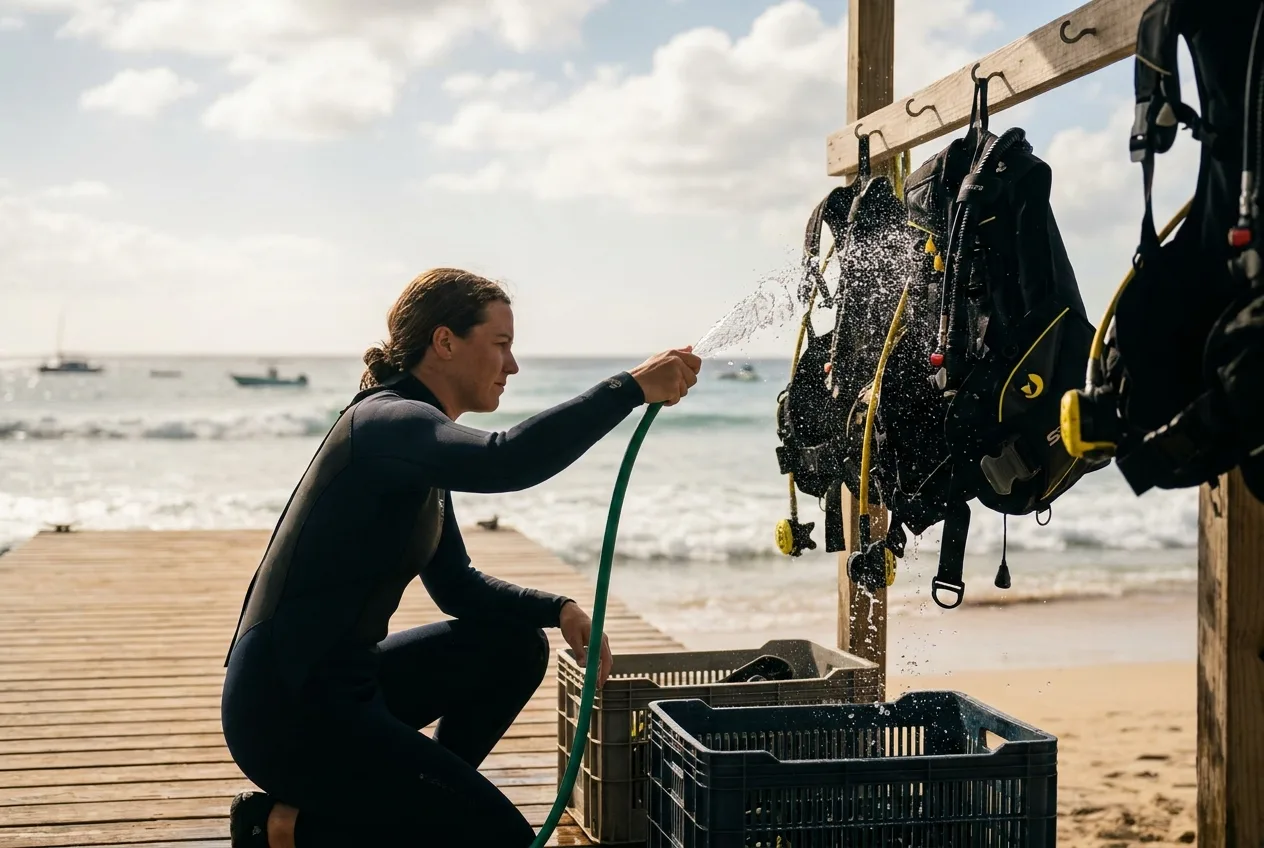
The first and most important step in scuba gear maintenance is a thorough freshwater rinse. Salt, chlorine and sand can damage neoprene, silicone and metal. Use the manufacturer’s cleaning method for each item, especially the regulator.
Then let everything dry completely in a shaded, well-ventilated place. Direct sunlight can permanently damage materials, break down rubber and speed up wear.
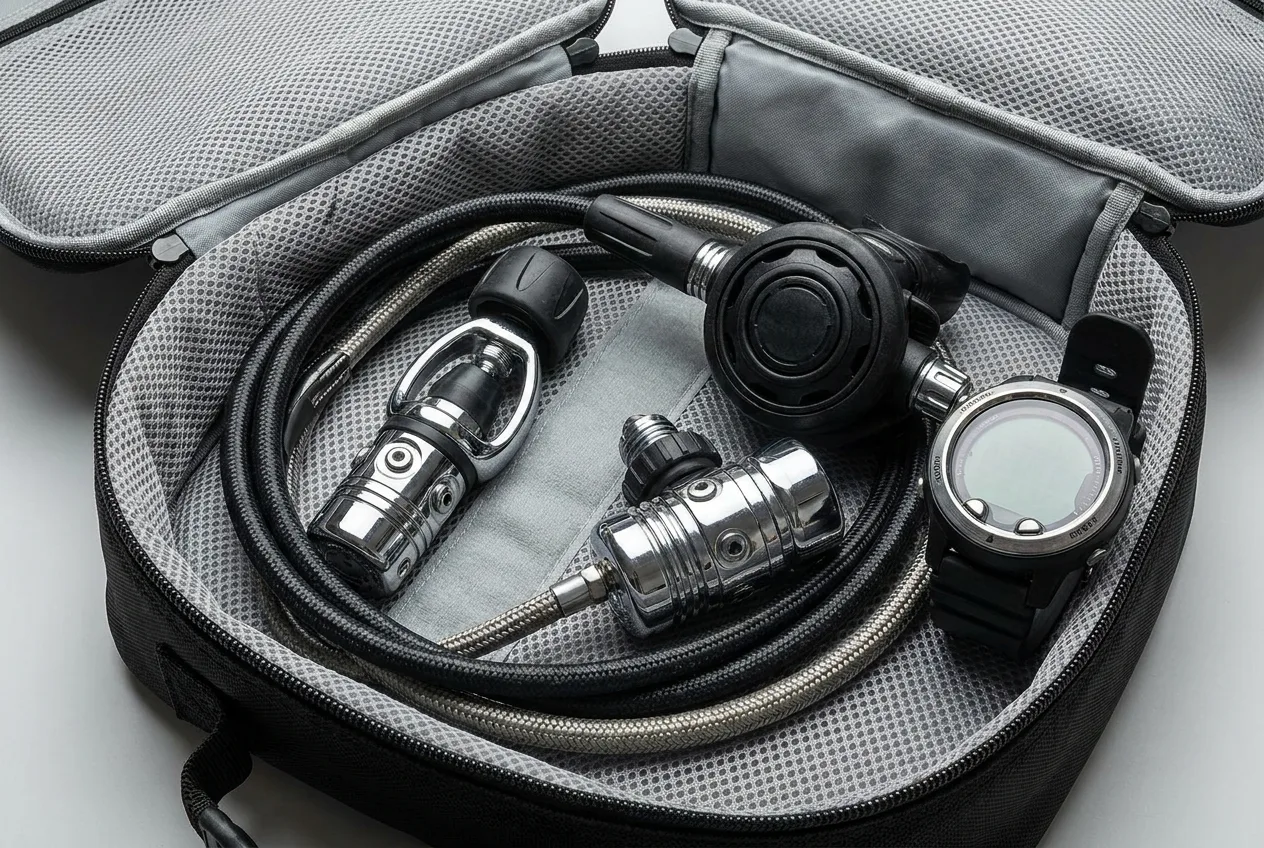
Caring for Your Regulator, BCD and Dive Computer
These components are at the heart of your dive setup and need particular attention. Follow your regulator manufacturer’s rinsing instructions. Keep water out of the first-stage inlet, and do not press the purge button while rinsing an unpressurized regulator. Do not immerse the first stage unless the manual for your model allows it; a dust cap alone is not a universal guarantee against water entry. Let it dry completely, then store it in a dedicated dive gear bag, without folding or crushing the hoses.
Rinse your buoyancy control device (BCD) inside and out according to its manual, using the specified amount of fresh water and the recommended valve procedure. Drain it thoroughly, let it dry in the shade and store it partially inflated if the manufacturer instructs.
Rinse and dry your dive computer, then follow the manufacturer’s storage, battery and care instructions for your model. Proper scuba gear maintenance can make the difference between an enjoyable dive and a dangerous one. If you are unsure, have a professional inspect your equipment. An experienced eye matters, much as a well-crafted photograph can capture a diver’s silhouette at just the right moment.
Wetsuit, Mask and Fins
Hand-wash your wetsuit with specialist neoprene wetsuit shampoo to remove salt and unwanted odors. Check for small tears or holes that need repair. Once it is completely dry, hang it on a wide, sturdy hanger to prevent creases and stretched shoulders.
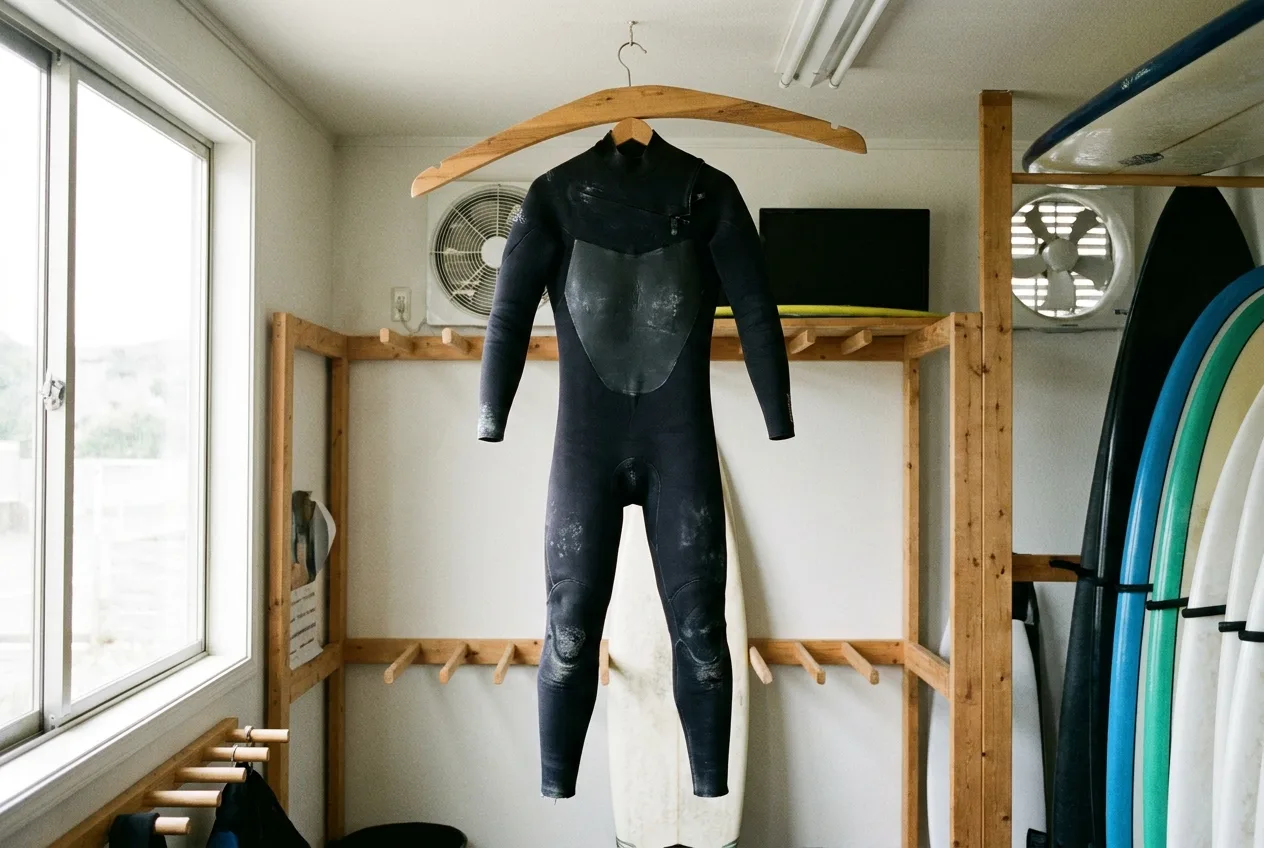
Store your mask and fins somewhere cool and dark, ideally in their original cases, to help prevent silicone and plastic from warping. For more equipment care advice, consult official guides from established diving organizations such as PADI.
Where and How to Store Your Scuba Gear
The final step in scuba gear maintenance is choosing the right storage space. Look for somewhere cool, dry and dark indoors. Avoid outdoor sheds or garages exposed to fuel fumes or other chemicals, which can damage silicone and neoprene.
Use purpose-made bags and hangers to help your equipment keep its shape. For more diving advice, explore our blog or get in touch.
Explore our canvas prints


Underwater Photography


Underwater Photography

Underwater Photography


Underwater Photography