

Blog, Underwater
How to Choose a Dive Mask That Fits Your Face

Why a Good Mask Makes a Better Dive
Your dive mask is your window onto the underwater world. A poor fit can turn a beautiful dive into a battle with leaks, fogging, and pressure on your face. A well-fitting mask gives you a clear view, a reliable seal, and the comfort to focus on what is around you. This guide will help you find the right fit.
Contents
The Fit Test: Find a Comfortable Seal
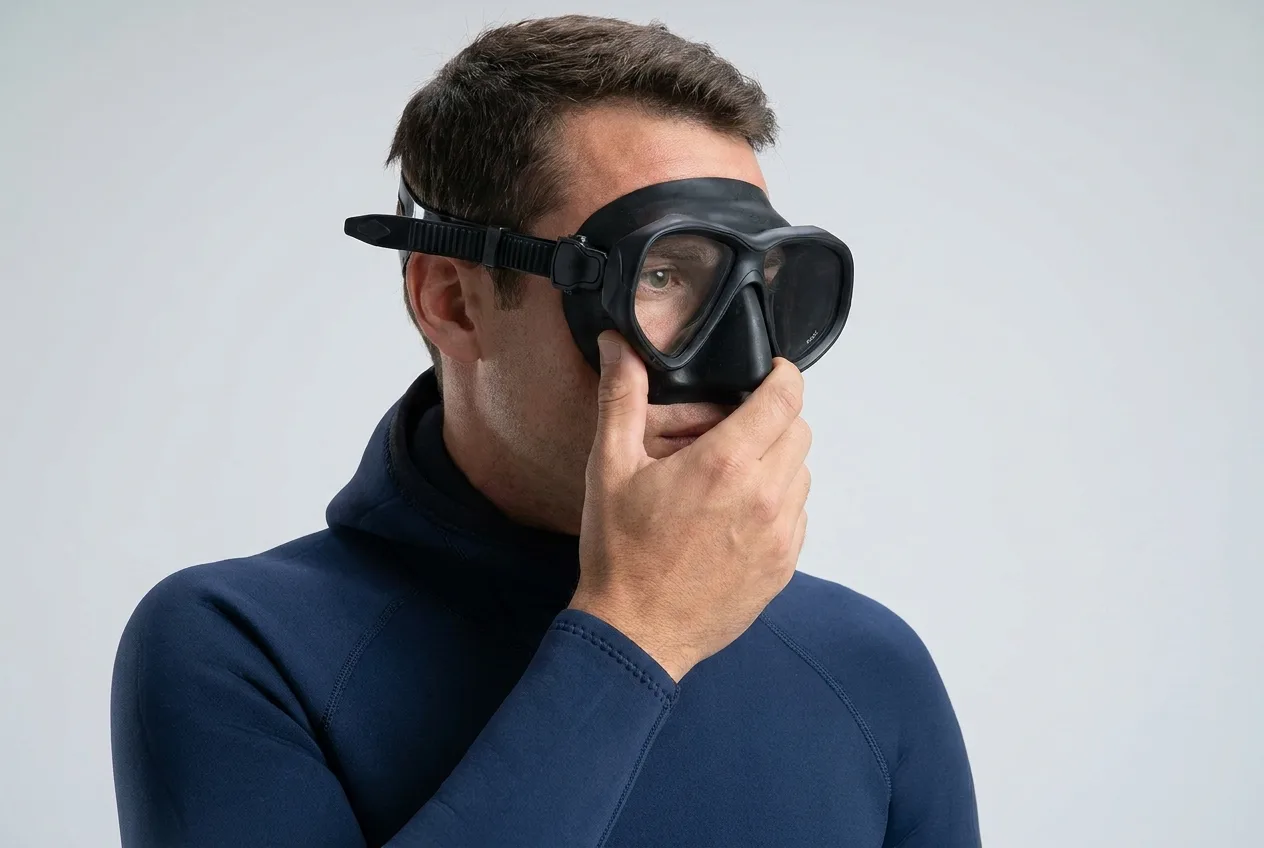
Tightening the strap is a common mistake when checking a mask’s seal. Try the fit test without using the strap. On land, place the mask gently against your face, inhale lightly through your nose, and pause your breath. If the mask stays in place when you take your hands away, it is a promising fit. The silicone skirt should sit comfortably against your skin all the way around, with no gaps at the upper lip, temples, or forehead.
Mask Types: Low Volume, Single Lens, or Dual Lens?
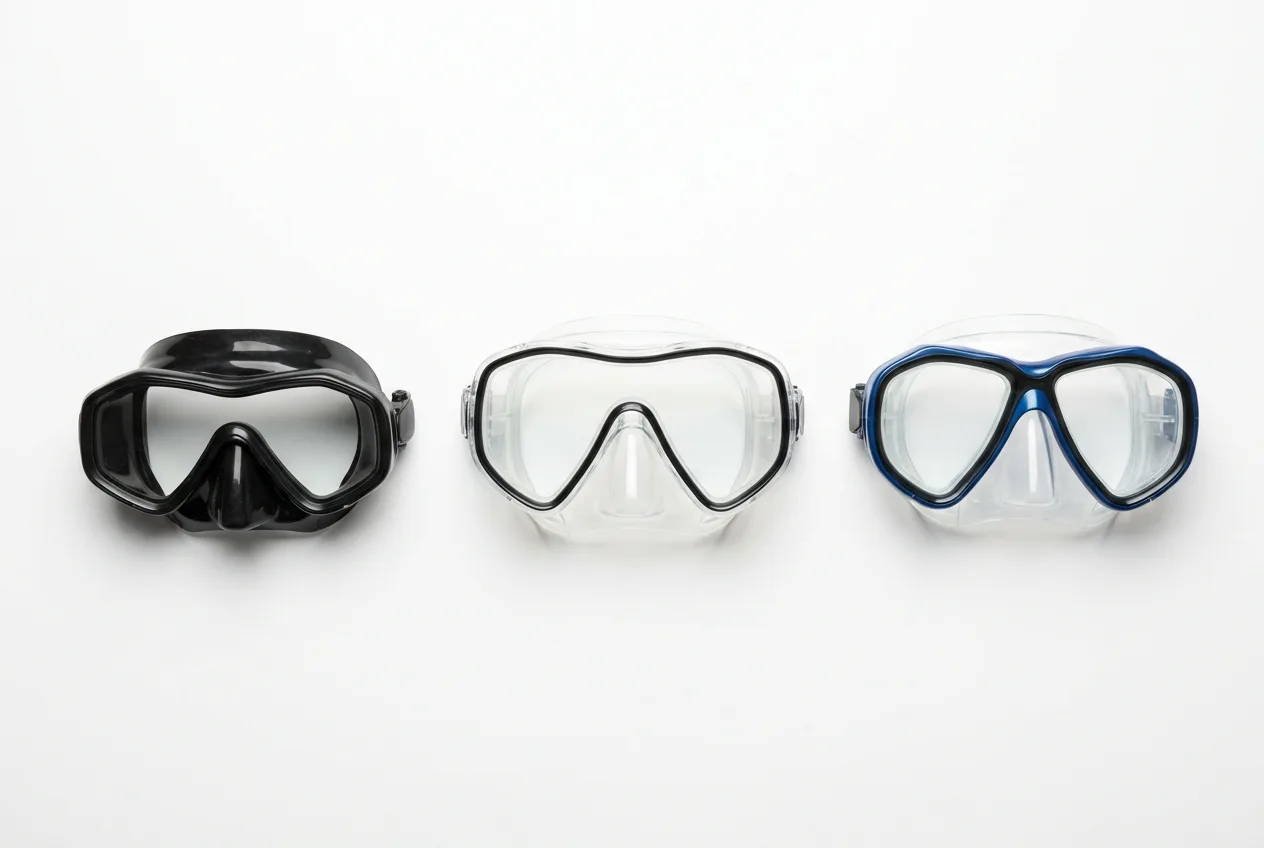
Different mask designs offer different benefits. Low-volume masks sit closer to your face, so they need less air to equalize and are easier to clear of water. They are popular with freedivers and underwater photographers. Single-lens masks offer an uninterrupted view without a frame dividing the center, while some dual-lens masks accept compatible prescription lenses. Check the options for the specific model. Read more about lens options at PADI.
How to Keep Your Mask from Fogging
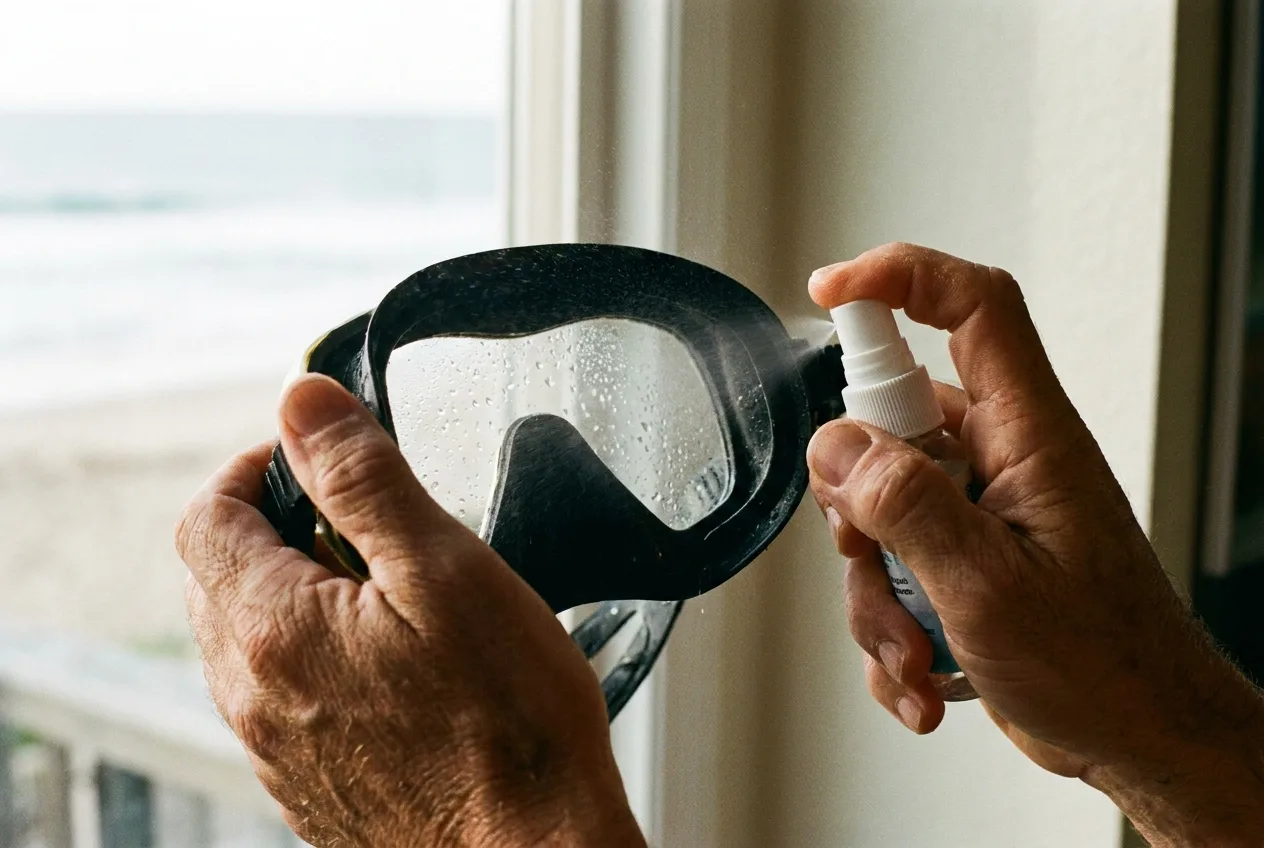
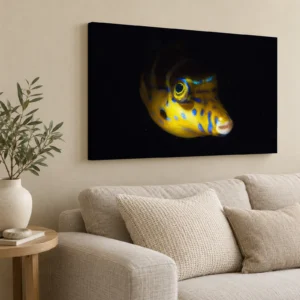
Follow the manufacturer’s instructions for preparing your mask and preventing fogging. Coated lenses may need different care. Do not use toothpaste, abrasives or a flame unless the manufacturer explicitly permits that treatment for your model. Use an anti-fog product only if it is compatible with the lens and its coating. Browse our underwater canvas prints to bring the colors you see underwater into your home.
Care for Your Mask for Years of Diving
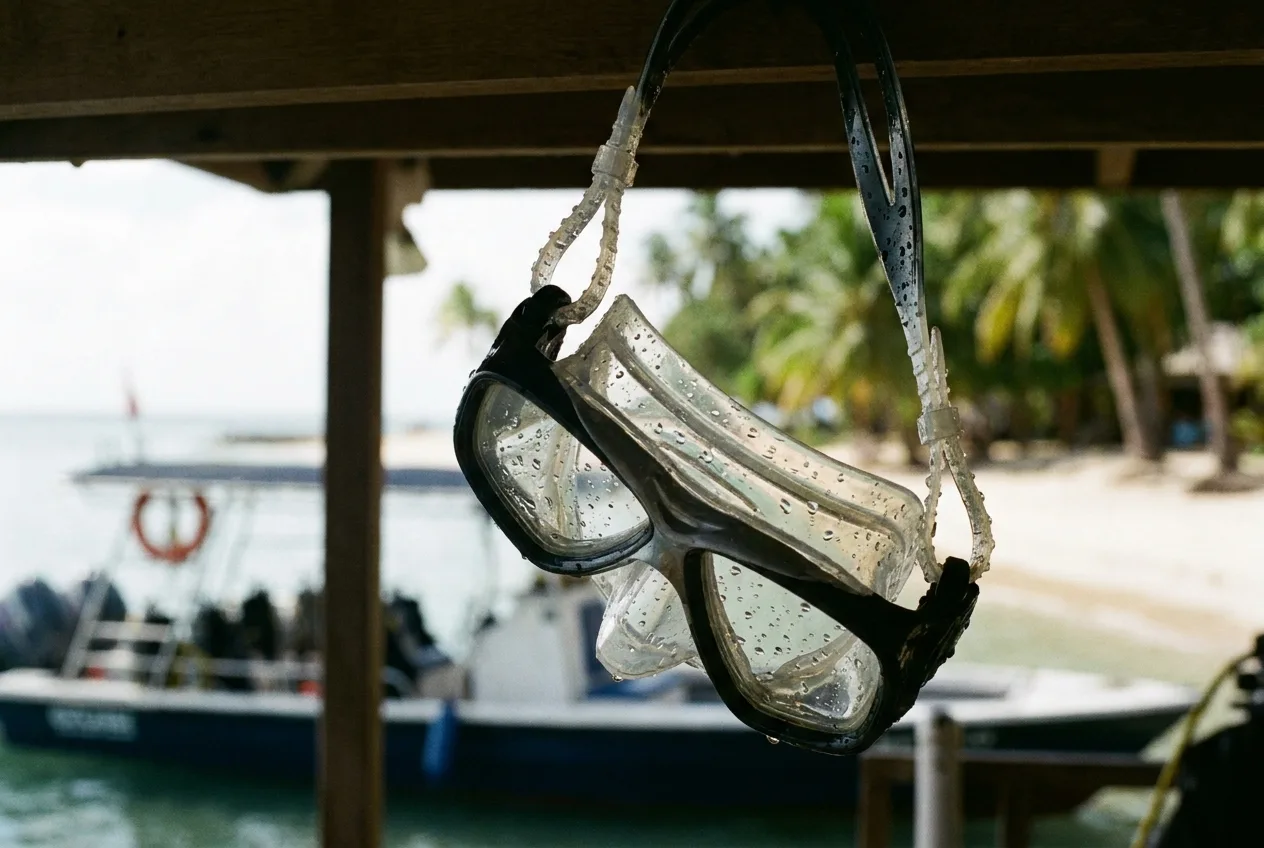
After each dive, rinse your mask thoroughly in fresh water and let it dry in the shade. Salt and sunlight can damage silicone and plastic. Store the mask in its original case to protect the lens from scratches, and check the strap and buckles regularly for wear. For more tips, visit our blog or contact us.
Explore our canvas prints


Underwater Photography

Underwater Photography


Underwater Photography


Underwater Photography