

Blog, Underwater
Essential Skills Every Scuba Diver Should Know
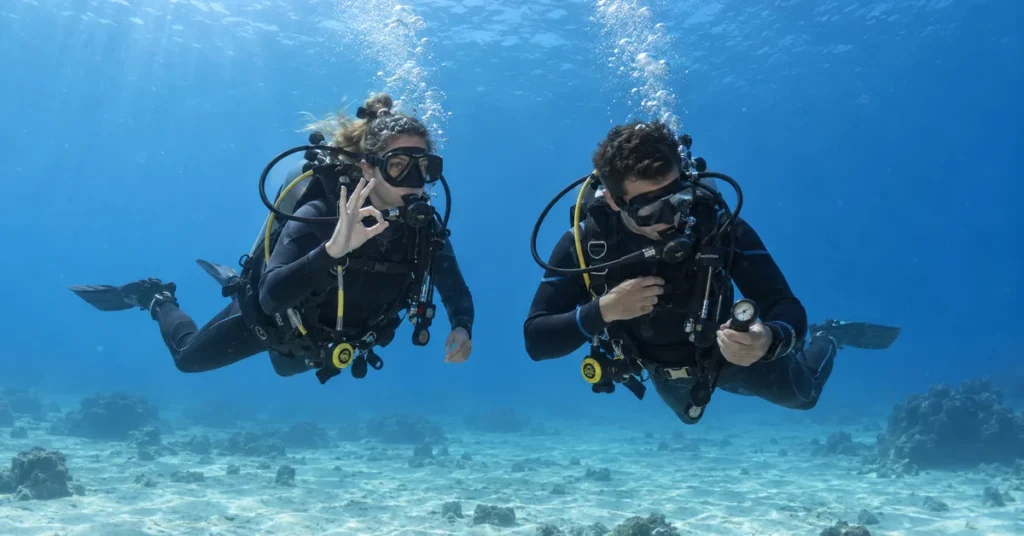
Before You Dive
Scuba diving takes more than swimming past colorful corals and marine life. It calls for practical skills that help you move through the water safely and efficiently.1 You learn these skills in an Open Water course, but certification is only the beginning. Keep practicing to build confidence in your diving technique.1
SSI’s guide covers the skills every diver should master: clearing a mask, checking air, equalizing, controlling buoyancy, entering the water, using hand signals, sharing air, ascending slowly, understanding no-decompression limits, performing buddy checks, finning, respecting marine life, navigating, cleaning gear and being a good buddy.1 All call for a calm, responsible approach before, during and after a dive.1

Mask Clearing: An Essential Skill for Every Diver
Clearing your mask is necessary when water leaks in or a mask strap breaks underwater.1 According to SSI, many beginners find this unsettling and feel the urge to rush to the surface. An immediate ascent is not always safe.1
The skill involves more than clearing the water. You also need to stay calm when water gets into your eyes.1 Practicing mask clearing builds confidence in an uncomfortable situation and makes a rushed reaction less likely.1
Good Buoyancy Control Sets Skilled Divers Apart
SSI describes good buoyancy control as a skill that distinguishes novice divers from experts.1 It helps you conserve air by reducing the effort spent on unnecessary fin kicks and hand movements.1

Buoyancy control also lets you observe marine life up close without bumping into it or causing harm.1 It preserves visibility, too: a well-balanced diver avoids stirring up sand with every movement.1
Experienced Divers Need Buddy Checks, Too
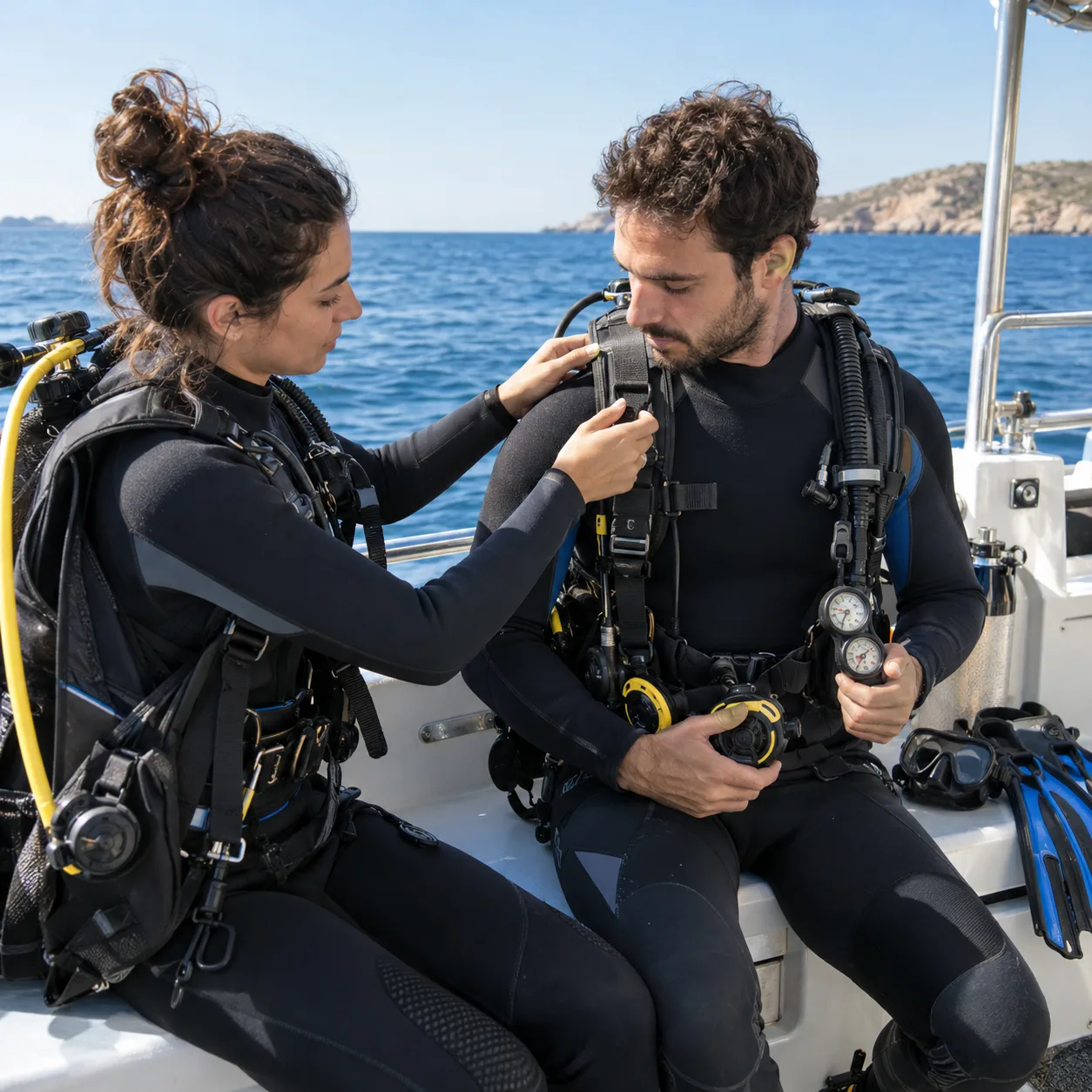
SSI stresses that even experienced divers need to check their equipment with a buddy before entering the water.1 These checks help catch anything important you may have missed.1
Make sure your buoyancy control device (BCD) inflates and deflates properly, your weights are in place and secure, and all buckles and clips are fastened. Check that your tank is secure, your regulators work and your air supply is turned on. Your gear should be streamlined, with everything you need for the dive.1 SSI also includes cameras and dive lights in the equipment to check before entering the water, if you are taking them.1
Safety Stops Help Release Excess Nitrogen Before You Surface
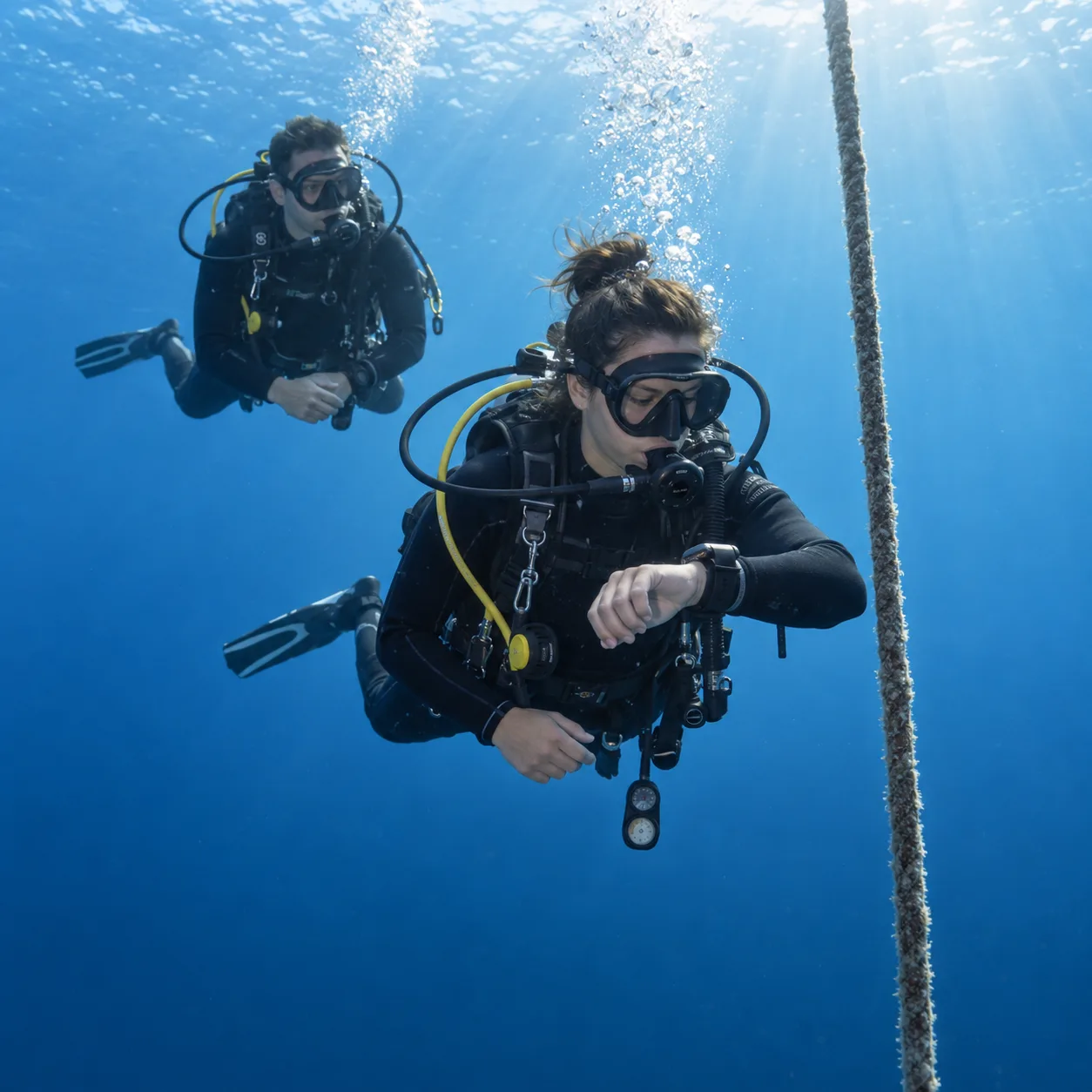
Safety stops at the end of a dive give your body time to release excess nitrogen before you leave the water.1 SSI emphasizes making safety stops and ascending slowly to help reduce the risk of decompression sickness.1
Understanding and staying within no-decompression limits serves the same purpose: helping reduce the risk of decompression sickness.1 SSI notes that you can calculate these limits with dive tables, though most divers now use dive computers for greater accuracy and ease of use.1
Dive Safely and Responsibly
Hand signals are essential for underwater communication. SSI says divers should know how to ask about remaining air, answer that question, signal that they are OK and indicate that they want to end the dive.1 For an out-of-air situation, SSI describes approaching your buddy confidently, signaling that you are out of air, taking and clearing their alternate regulator, staying close and making a slow, safe ascent together.1
Equalizing is another basic skill. SSI recommends doing it often, before you feel any ear pain.1 If your ears hurt or you cannot equalize, do not descend farther. Stop and try again, or ascend slightly and try once more.1
Responsible diving also means respecting marine life. SSI describes this as an important rule, even if it is not strictly a skill.1 Do not harass, chase or harm animals, crowd them, kick corals or stir up sand. Leave marine life and natural objects where they belong, and never leave anything in the sea that does not belong there.1

Caring for your gear continues after the dive. Salt water can damage materials, zippers and regulators.1 SSI recommends rinsing your gear in fresh water, drying it thoroughly and storing it completely dry, away from direct sunlight and damp conditions.1
Frequently Asked Questions
Why should you check your air without a reminder? 1
During an Open Water course, you learn to check your air and tell your buddy or instructor how much remains. Once certified, you need to make those checks a habit without being prompted.1 As SSI explains, taking responsibility for your own safety underwater starts with keeping your air supply from running too low.1
What makes a good dive buddy? 1
A good buddy checks in throughout the dive, stays close and offers reassurance if their partner feels nervous before entering the water.1 SSI says you should feel safe with your buddy and make sure they feel safe with you.1
Sources
Explore our canvas prints


Underwater Photography


Underwater Photography


Underwater Photography


Underwater Photography